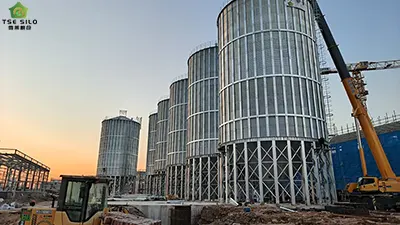
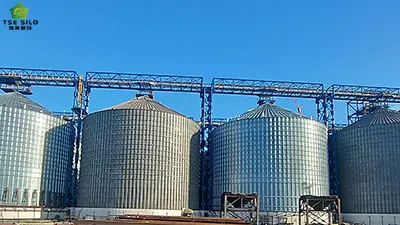
Summer is characterized by high temperatures, high humidity, and heavy rainfall, creating a complex climate environment. After summer grain is stored, it is highly susceptible to problems such as condensation, dampness, localized overheating, mold, and insect infestation, all of which pose safety risks. As a core piece of equipment in large-scale grain storage, the airtightness, ventilation, temperature control, and operating condition of Shelley steel silos directly determine the quality and duration of summer grain storage. To strengthen grain storage security, mitigate potential risks at the source, and ensure the smooth, safe, and long-term preservation of summer grain, it is essential to strictly implement comprehensive and standardized preparatory work before storage. This includes a thorough investigation and rectification of various issues related to equipment, storage structures, environment, and grain quality. The nine specific preparatory tasks are as follows:
1. Understanding Shelley Steel Silos
1.1. Company and Product Positioning
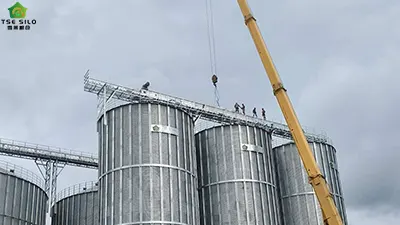
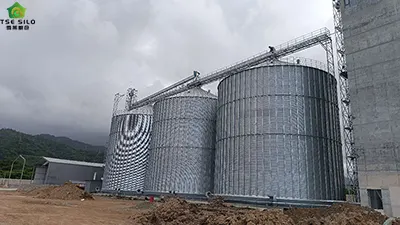
Shelley Steel Silos specializes in the storage of grains, oils, feed, building materials, and fly ash. Its main product is prefabricated corrugated steel silos, commonly used in large-scale grain depots, grain purchasing points, and grain and oil processing enterprises. These silos are suitable for the centralized storage and long-term safe storage of summer and autumn grains such as wheat, corn, and rice.
1.2. Core Structure and Materials
- Silo Body: Constructed of hot-dip galvanized corrugated steel plate, with a zinc coating thickness >=275g/m2, offering corrosion and oxidation resistance and a service life of 25–35 years;
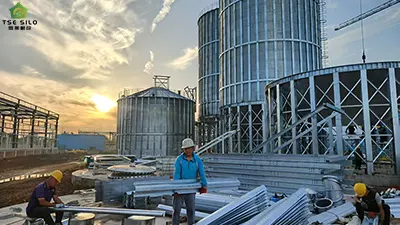
- Connections: Assembled with high-strength bolts and sealed with sealing strips, ensuring high overall strength and resistance to wind and earthquakes;
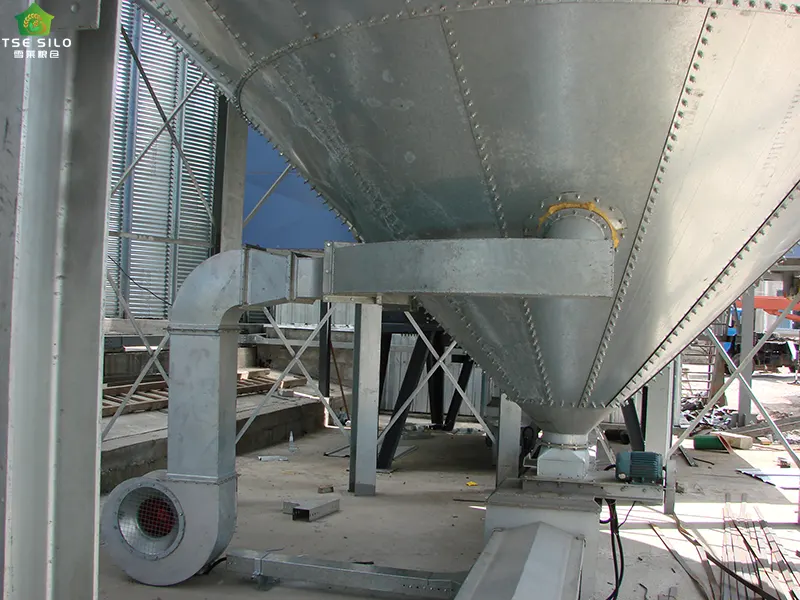
- Silo Types: Flat-bottom silos, conical-bottom silos, and funnel-shaped silos, with capacities customizable from 50–10,000 tons. The mainstream capacity for summer grain storage is 500–5,000 tons.
1.3. Core Supporting Systems for Summer Grain Storage
- Intelligent Temperature Monitoring System: Vertical and horizontal temperature monitoring points, accuracy +-0.5oC, real-time monitoring of grain temperature, and early warning of overheating and mold growth;
- Mechanical Ventilation System: Ground-level ventilation + axial flow fan, forced cooling and dehumidification, sufficient airflow, suitable for high-temperature summer grain storage;
- Dehumidification and Fumigation System: Good airtightness, can disinfect empty warehouses and fumigate grains for pest control, with insect population density controllable to 0;
- Discharge and Cleaning System: Scraper conveyor and screw conveyor, clean grain discharge with minimal residue, facilitating summer grain rotation;
- Security and Moisture Control System: Waterproof silo top, moisture-proof silo bottom, and compliant drainage slope to prevent condensation and dampness.
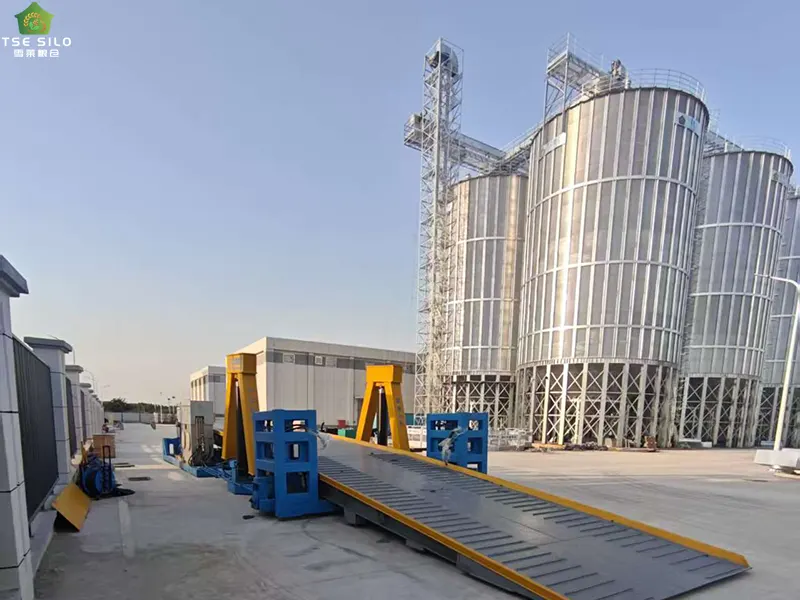
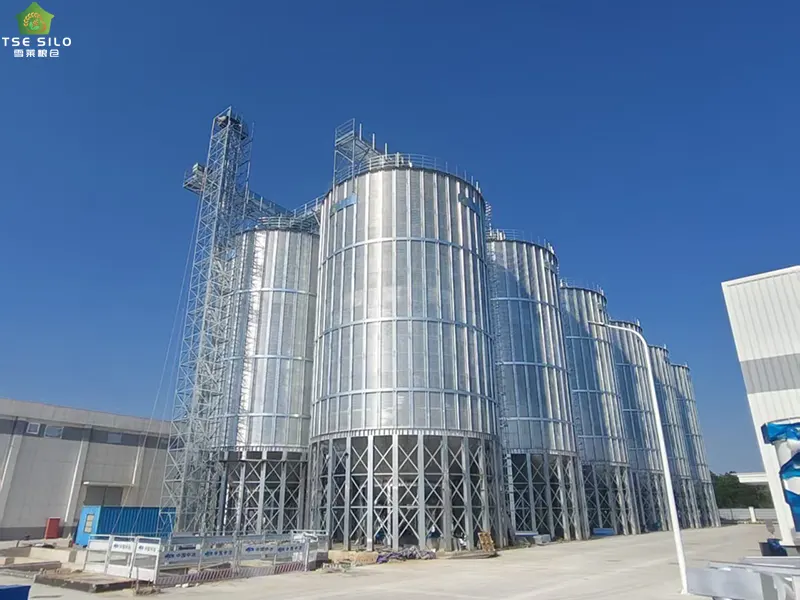
2. Six Advantages of Shelley Steel Silos for Summer Grain Storage
- Fast Storage: Prefabricated on-site installation; a single 1000-ton silo can be completed in 15-20 days, suitable for concentrated summer grain storage.
- Strong Airtightness and Moisture Protection: Silo gaps <=0.3mm, internal humidity controllable <=65%, wheat can be stored long-term with a safe moisture content of 12.5%.
- Good Temperature and Insect Control: Combined with ventilation, summer grain temperature can be stably maintained at <=25oC, effectively reducing mold and insect damage.
- Small Footprint: Saves more than 40% of the space compared to flat warehouses for the same storage capacity, maximizing land utilization.
- Low Cost: Construction cost is 30% lower than traditional brick-and-mortar silos, and subsequent maintenance is simple.
- Intelligent and Easy Management: Data network connectivity allows for remote monitoring of temperature and humidity, reducing manual inspections.
3. Five Essential Systems for Summer Grain Storage
- Intelligent Temperature Measurement System: Vertical cable spacing <=2m, horizontal spacing <=4m, temperature measurement error <=+-0.5oC, real-time monitoring of grain temperature, preventing overheating and mold growth.
- Mechanical Ventilation System: Ground cage ventilation + axial flow fan, single-bin air volume >=3000m³/h, forced cooling and dehumidification for high-temperature summer grain storage.
- Discharge and Cleaning System: Scraper conveyor/screw discharge, clean storage, minimal grain residue, easy rotation and unloading.
- Dehumidification and Fumigation System: Sealed silo, capable of empty-bin disinfection and grain fumigation, insect population density controllable to 0.
- Security and Electrical System: Grounding resistance <=4Ω, complete fire-fighting facilities, rodent-proof mesh <=1cm, rain and lightning protection.
4. Nine Preparatory Works Before Summer Grain Storage
4.1. Comprehensive Inspection and Reinforcement of Silo Structure
- Inspect silo wall welds and bolt connections; bolt tightening torque >=45N*m, no loosening, rust, or deformation;
- Install sealing strips on the silo top cover, ventilation openings, and manhole doors, ensuring gaps are <=0.3mm to prevent rainwater, moisture, and rodents from entering;
- Inspect the silo bottom cone and discharge port to ensure there is no damage or grain leakage, and that the structural load-bearing capacity meets the >=750kg/m2 stacking load requirement.
4.2. Ventilation System Debugging and Calibration
- Clean the ventilation ducts and floor cages inside the silo, ensuring no debris blockage and that 100% of the ventilation openings are unobstructed;
- Inspect the axial flow fan and centrifugal fan, ensuring fan speed and air pressure meet standards, and that the single forced ventilation volume is >=3000m³/h;
- Ensure the ventilation openings open and close flexibly, and that the airtightness meets fumigation and insulation standards when closed.
4.3. Temperature and Humidity Measurement System Calibration
- Inspect each temperature and humidity sensor in the warehouse. Temperature measurement error <= +-0.5oC, humidity measurement error <= +-3%RH;
- Sensor vertical spacing <= 2m, horizontal spacing <= 4m, full coverage, no blind spots, no fault points;
- Control cabinet and display screen are powered on normally, data is uploaded in real time, and alarm system sensitivity is 100%.
4.4. Thorough Cleaning, Disinfection, and Pest Control in the Warehouse
- Manual and high-pressure cleaning of residual grain, dust, and debris in the warehouse, achieving 100% removal rate of residual grain impurities;
- Use food-grade agents for fumigation or spraying in an empty warehouse, with a sealed disinfection time >= 48 hours;
- Pest density in the warehouse is controlled to 0 insects/m2, with no insect eggs, rodent tracks, or mold traces.
4.5. Moisture-proof and Heat-insulating Pre-treatment
- The insulation layers of the silo walls and roof are intact; damaged areas are repaired; the temperature difference between the silo surface and the ambient temperature is <=3oC.
- A moisture-proof mat is laid at the bottom of the silo; the ground is dry; and the relative humidity inside the silo is reduced to <=65% in advance.
- Before the rainy season, waterproofing is carried out on the exterior of the silo; the drainage slope is >=0.3%, and rainwater is quickly drained away from the perimeter of the silo.
4.6. Grain Feeding Equipment Inspection and Cleaning
- The elevator, belt conveyor, cleaning screen, and impurity remover are thoroughly inspected; the operating noise of the equipment is <=75 decibels.
- The inside of the conveying equipment is thoroughly cleaned to remove any residual old grain or insect sources.
- The cleaning screen is intact and can remove impurities larger than 3mm and light impurities, ensuring the initial purity of the fed grain.
4.7. Pre-emptive Control of Grain Quality Indicators
- Pre-test summer grain (mainly wheat), strictly control moisture content upon entry into storage to <=12.5%;
- Grain impurities <=1.0%, defective grains <=4.0%, no moldy or sprouted grains;
- Exceed standards by pre-drying, reducing moisture, and removing impurities; unqualified grain is prohibited from entering the warehouse.
4.8. Inspection of Security and Supporting Facilities
- Fire Protection System: Dry powder fire extinguishers, fire sand, and fire hydrants are intact and effective, with a pressure compliance rate of 100%;
- Electrical Wiring: Distribution boxes and cables have intact insulation, grounding resistance <=4Ω, and no potential leakage hazards;
- Rodent and bird control facilities are complete, grain barriers and protective nets at warehouse entrances are intact, and mesh size <=1cm.
4.9. Emergency Response Plan and Personnel Pre-Job Preparation
- Develop an emergency plan for summer grain storage, clearly defining procedures for handling condensation, overheating, and pests;
- Provide pre-job training for storage personnel, ensuring they master the operational procedures for temperature measurement, ventilation, and dehumidification;
- Prepare temperature and humidity record sheets and inspection logs. Conduct at least two inspections daily after grain is stored, recording data in real time.
5. Eight Red Lines for Purchasing Steel Silos in Summer:
- Avoid cold-galvanized and painted steel silos, as they will rust and leak grain within 1-2 years.
- Don't skimp on ventilation and temperature monitoring, as summer grains are highly susceptible to overheating and mold.
- Avoid excessively small capacity, as concentrated storage of summer grains puts significant pressure on turnover.
- Don't neglect moisture protection at the silo bottom; a waterproof underlayment is essential in humid areas.
- Avoid unlicensed small workshops, as they offer no after-sales service or warranty.
- Don't mix grains stored in industrial silos, as their airtightness and hygiene standards are inadequate.
- Don't lower the galvanizing standard, as corrosion is rapid in humid areas.
- Don't omit the discharge system, as manual cleaning is extremely costly.
6. Pest Control, Focus on Pest Control During the Summer Peak Season:
- Control pest density in the silo to 0 insects/m2, and regularly inspect the surface and corners of the grain pile.
- If necessary, perform fumigation in a sealed environment for >=48 hours, ensuring proper safety precautions.
- Install bird and rodent-proof netting at silo entrances and ventilation openings, with mesh sizes <=1cm, to prevent insects and rodents from entering.
7. Acceptance Standards for Steel Silos in Summer
The galvanized layer, thickness, and bolt specifications of the steel plates conform to the contract. The temperature monitoring and ventilation systems are powered on and functioning normally, with accurate data. The silo body is free from deformation, welds are intact, and the seal is tight; the drainage slope is >=0.3%. After disinfection, the empty silo is free of debris and insect sources and can be directly used for storage.

8. Experience Summary
Core experience in summer grain storage using steel silos: temperature and humidity control, frequent monitoring and ventilation, tight sealing and waterproofing, and early pest and disease prevention are essential to ensure the safe storage of summer grain.
In summary, the various preparatory works before summer grain storage are the first line of defense for safe grain storage in steel silos and the core foundation for year-round grain storage safety management. Nine preparatory tasks cover all aspects, including silo structure, intelligent equipment, ventilation and moisture prevention, grain quality control, and security and emergency response. Layer-by-layer control and implementation can effectively address various risks and hidden dangers in summer grain storage. By strictly implementing standardized warehousing preparation procedures, the advantages of Shelley steel silos—sealed, temperature-controlled, intelligent, and moisture-proof—can be fully utilized to ensure the quality of summer grain entering the warehouse from the source, prevent problems such as mold, pests, and overheating, achieve safe, stable, and long-term grain storage, and successfully complete the summer grain harvest, storage, and reserve tasks.
Written by
Shandong Shelley Grain Steel Silo Co., Ltd
Editor Jin
WhatsApp : +86-18653877118
Email : shelley@cnshelley.com