LANGUAGE
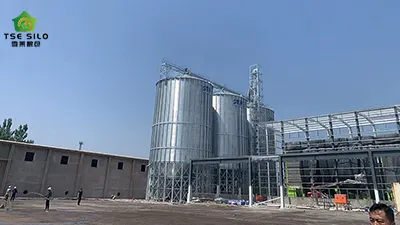
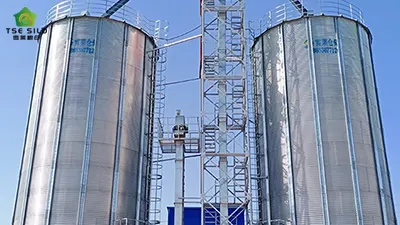
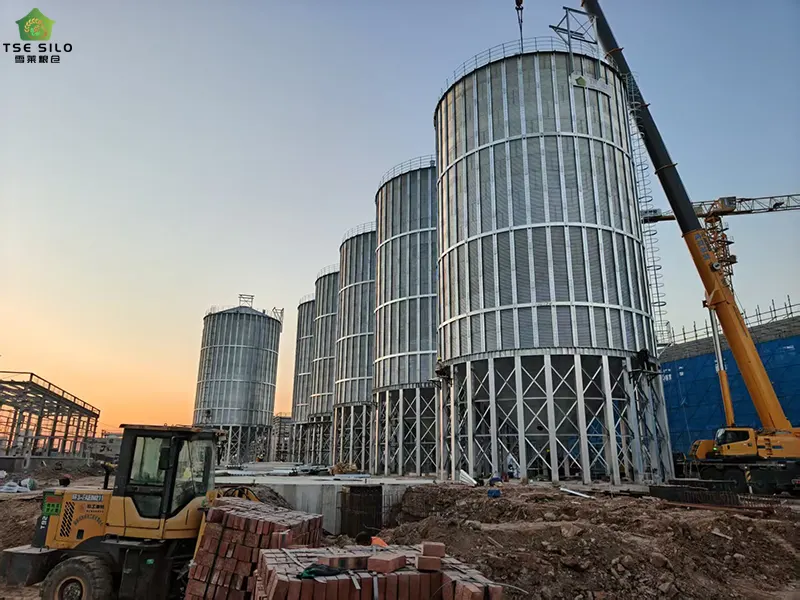
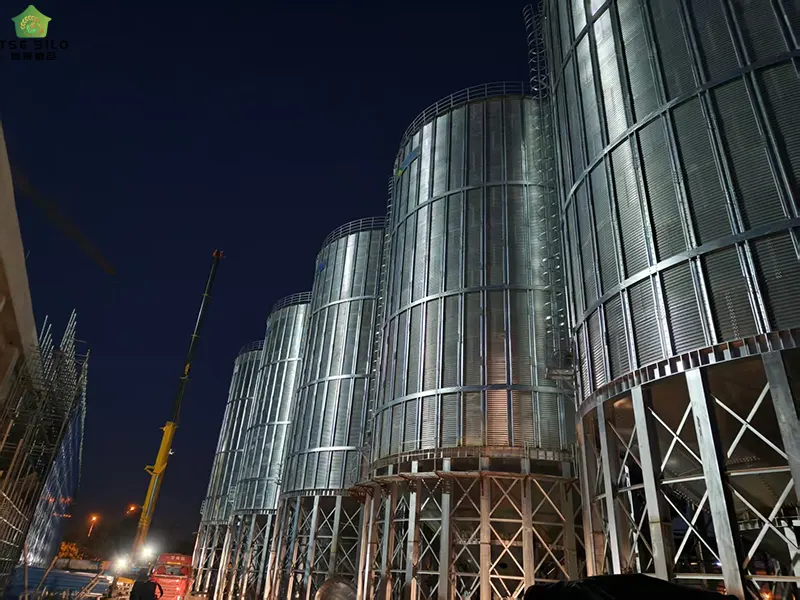
When constructing grain steel silos, we face the challenge of choosing the right silo type. Currently, the most commonly used are conical-bottom steel silos and flat-bottom steel silos. Each has its own advantages and disadvantages. We need to choose the most suitable steel silo based on our specific circumstances. Today, Shelley Storage will summarize the selection criteria for conical-bottom and flat-bottom steel silos. The core factors for choosing between conical-bottom and flat-bottom steel silos are the characteristics of the grain material, storage scale, turnover frequency, and cost budget. The two types differ significantly in applicable scenarios, maintenance difficulty, and economics.
| Comparison Dimensions | Conical Bottom Steel Silo | Flat Bottom Steel Silo |
| Structural Features | Conical bottom (cone angle typically 45°~60°), with built-in chute discharge outlet | Horizontal bottom, requires cleaning equipment (such as scraper-type cleaning machine) |
| Applicable Materials | Free-flowing granular grains: wheat, corn, soybeans, sorghum | Poor-flowing or long-term storage materials: rice, flour, high-moisture grains, feed ingredients |
| Storage Scale | Smaller single silo capacity (typically 100~5000t), suitable for small-batch storage | Larger single silo capacity (over 5000t, up to tens of thousands of tons), suitable for large-scale intensive grain storage |
| Cleaning Difficulty | Self-flowing discharge, no cleaning equipment required, extremely low residue (< 0.5%) | Relies on cleaning machine operation, relatively high residue (1%~3%), longer cleaning time |
| Cost | High cost per unit capacity (complex cone-bottom structure, high material consumption) | Low cost per unit capacity (simple structure, significant advantage of large volume) |
| Turnover Efficiency | Fast discharge speed (self-flowing + pneumatic conveying), suitable for high-frequency turnover | Discharge speed limited by the cleaning machine, suitable for low-frequency turnover and long-term storage |
| Applicable Scenarios | Small farms, drying tower accessories, grain purchasing points, feed mill batching silos | Central grain reserves, large grain distribution centers, raw material silos for grain and oil processing enterprises |
| Factors Affecting Service Life | Conical-bottom Steel Silo | Flat-bottom Steel Silo | Impact Analysis on Service Life |
| 1. Discharge Method and Wear | Concentrated, predictable wear. Material continuously scours and wears the conical hopper, especially the discharge port. | Dispersed, comprehensive wear. Scraper conveyors, augers, and other equipment rub and impact against the entire silo bottom plate during operation, resulting in a large wear area. | Wear in conical-bottom silos is more concentrated and can be addressed through localized reinforcement (e.g., wear-resistant steel plates) and replacement of the discharge port without affecting the main structure. Wear in flat-bottomed silos is comprehensive, and overall thinning of the silo floor is one of the main causes of their end-of-life, making repair extremely difficult. |
| 2. Impact of Material Residue and Cleaning | Gravity-fed emptying is highly effective, leaving very little residue. The frequency of requiring in-silo inspection or manual cleaning is very low. | Dead corners inevitably exist, necessitating regular, intensive manual cleaning. Using shovels, machinery, or other tools can easily cause scratches, impacts, and other physical damage to the silo floor and inner wall coating. | Cleaning flat-bottomed silos is inherently life-shortening, accelerating the damage to the anti-corrosion layer and steel plates, introducing rust initiation points. Conical-bottomed silos almost completely avoid this problem. |
| 3. Moisture and Condensation Risks | The conical bottom structure facilitates airflow and thorough material discharge, making it less prone to long-term heat and moisture accumulation in dead corners, resulting in a lower risk of localized mold growth. | The area with residual material on the flat bottom easily becomes a "source" of condensation, remaining in a high-temperature, high-humidity state for extended periods, exacerbating steel plate corrosion and the corrosive gases produced by material decay. | Flat-bottomed silos have a less favorable storage environment for the silo structure, with a higher risk of environmental corrosion. |
| 4. Reliability of Core Systems | No large moving parts. Lifespan depends on the static structure and valves. | Highly dependent on the discharge machinery system (scraper conveyor, auger). The core components of these devices (such as chains, scrapers, and drive units) typically have a lifespan of only 5-10 years, requiring major overhaul or complete replacement. | The "functional lifespan" of a flat-bottomed silo is often shorter than its "structural lifespan." When the discharge system fails and repair is not worthwhile, even if the silo structure is in good condition, the entire silo may be prematurely rendered unusable. |
| 5. Maintenance and Intervention | Maintenance mainly involves preventative corrosion inspections and treatments, with minimal damage to the silo structure. | Maintenance primarily involves the inspection and troubleshooting of the discharge equipment, as well as more destructive cleaning operations. | The maintenance model for conical-bottomed silos helps extend their lifespan; the maintenance model for flat-bottomed silos inherently shortens their lifespan. |
In recent years, domestic grain silo construction has placed greater emphasis on intelligence and energy conservation. Both types of silos can integrate functions such as temperature and humidity sensing, mechanical ventilation, and circulating fumigation. If considering future upgrades, it is recommended to pay attention to:
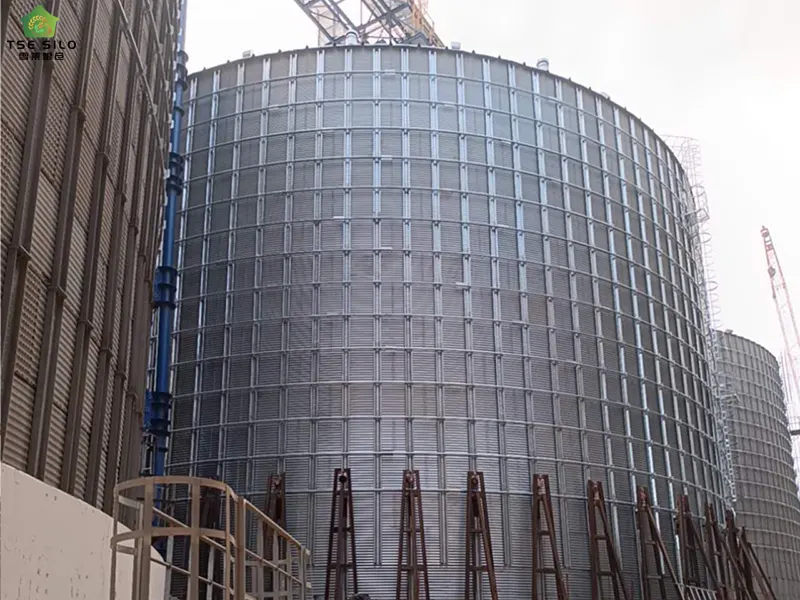
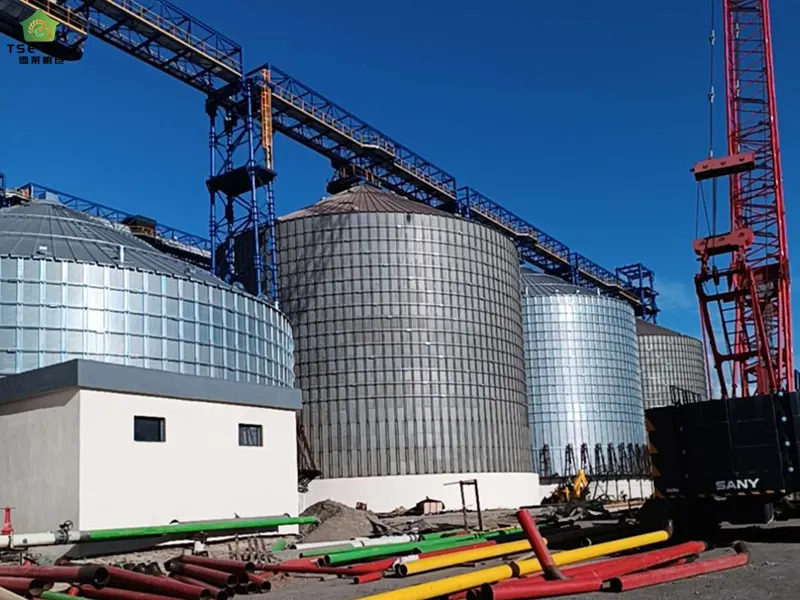
Under the same material, corrosion resistance level, and maintenance level, conical-bottom steel silos generally have a longer actual service life and economic life, while the lifespan of flat-bottom steel silos is often limited by their mechanical discharge system. From a total life cycle cost perspective, for most grain storage scenarios requiring frequent turnover, the overall maintenance and operating costs of conical-bottom steel silos are usually lower than those of flat-bottom steel silos. The initial construction cost savings of flat-bottom silos are likely to be offset by their high mechanical maintenance, energy consumption, and labor costs over the next 5-10 years. A detailed long-term cost calculation is essential when making a decision. The above is a summary of the criteria for choosing grain silo types compiled and published by Shelley Storage. We hope this explanation will be helpful when constructing grain silos in the future.
Written by
Shandong Shelley Grain Steel Silo Co., Ltd
Editor Jin
WhatsApp : +86-18653877118
Email : shelley@cnshelley.com