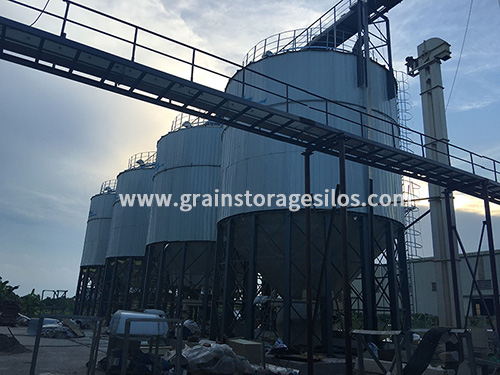
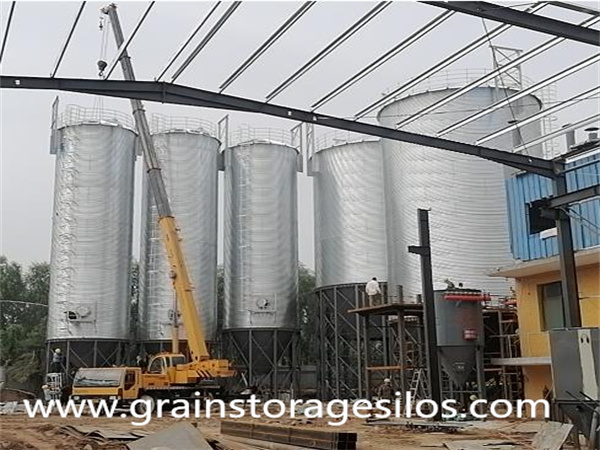
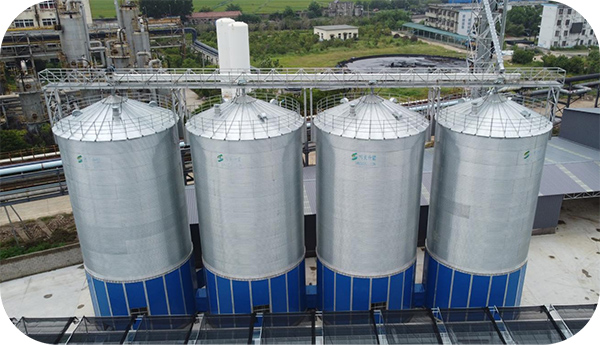
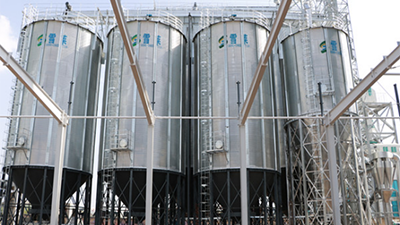
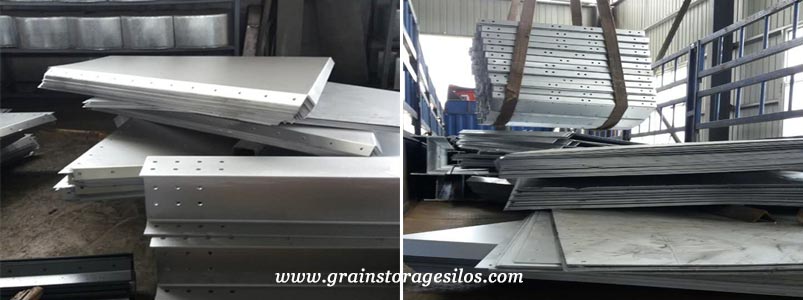
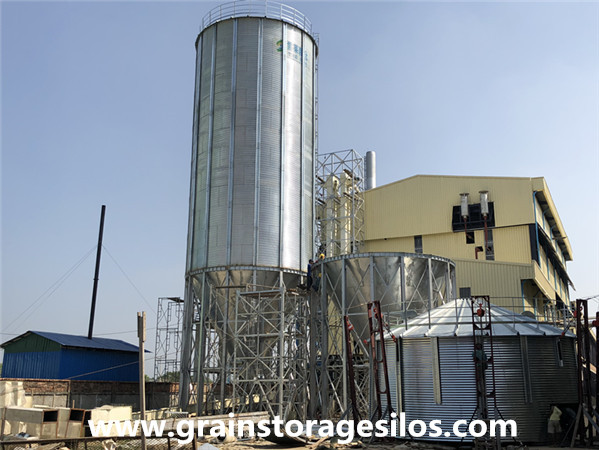
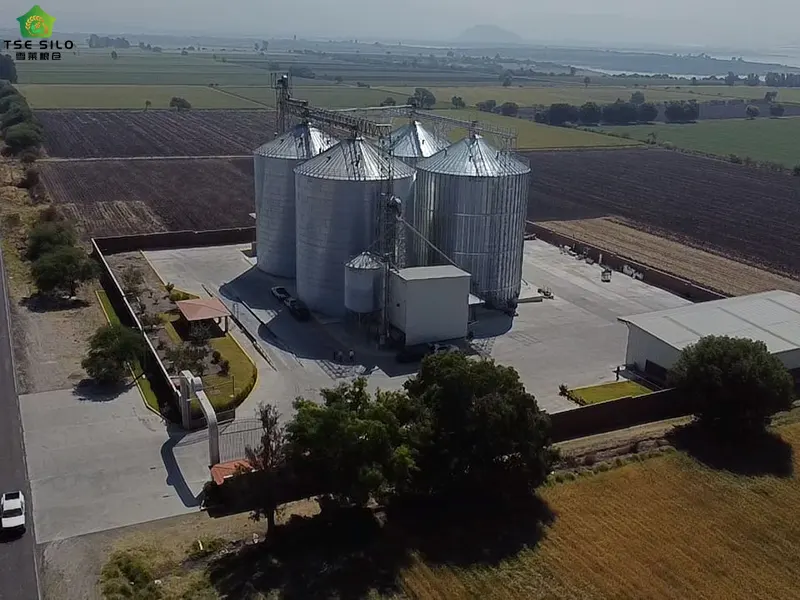
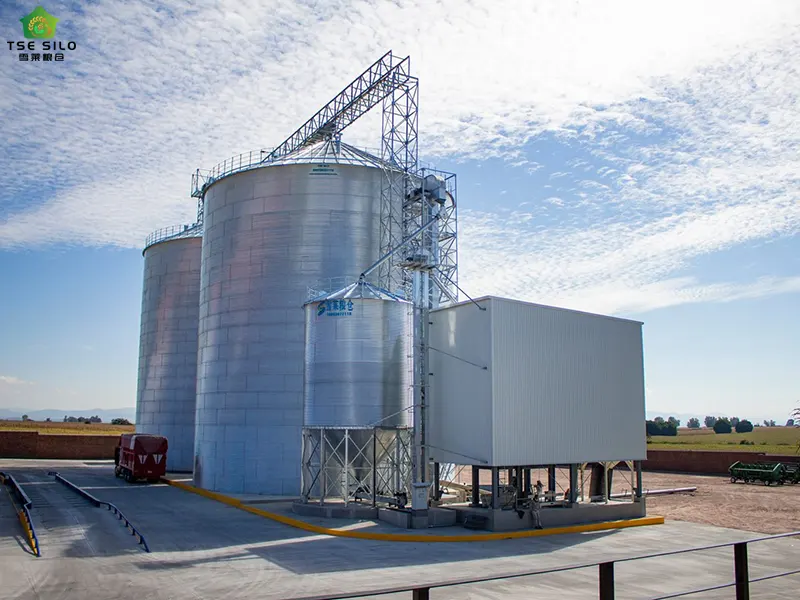
Flat-bottomed steel silos, with their large capacity, low cost, and quick installation, are widely used in the storage of materials such as grain, cement, fly ash, and aggregates. The core objective of daily maintenance is to ensure the structural safety of the silo, the stable operation of supporting equipment, and the controllable quality of stored materials. This requires work from six dimensions: structural maintenance, equipment maintenance, material management, surrounding environment, potential hazards, and safety protection. Shelley Storage has been engaged in the production, research and development, and sales of flat-bottomed steel silos, conical-bottomed steel silos, and insulated steel silos for many years, and has extensive experience in the daily maintenance of flat-bottomed steel silos. Today, we will explain in detail the six most important maintenance tasks in the operation of flat-bottomed steel silos.
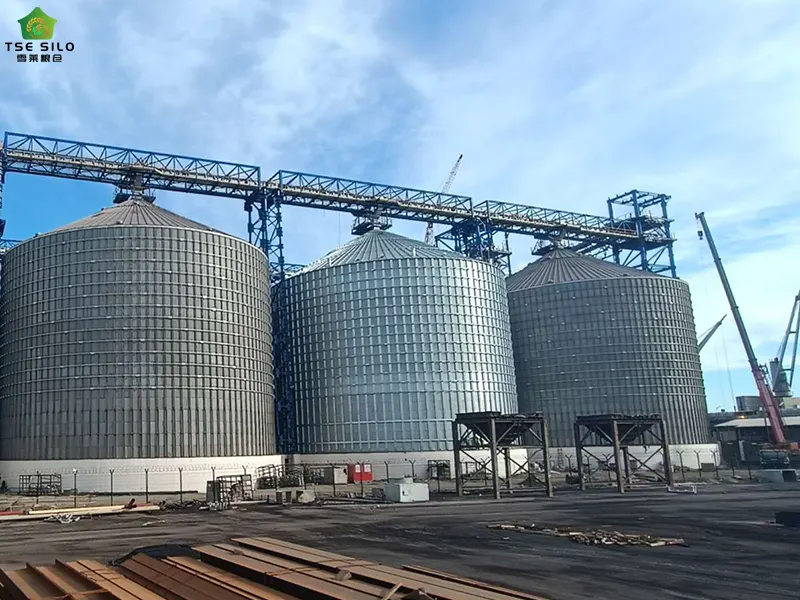
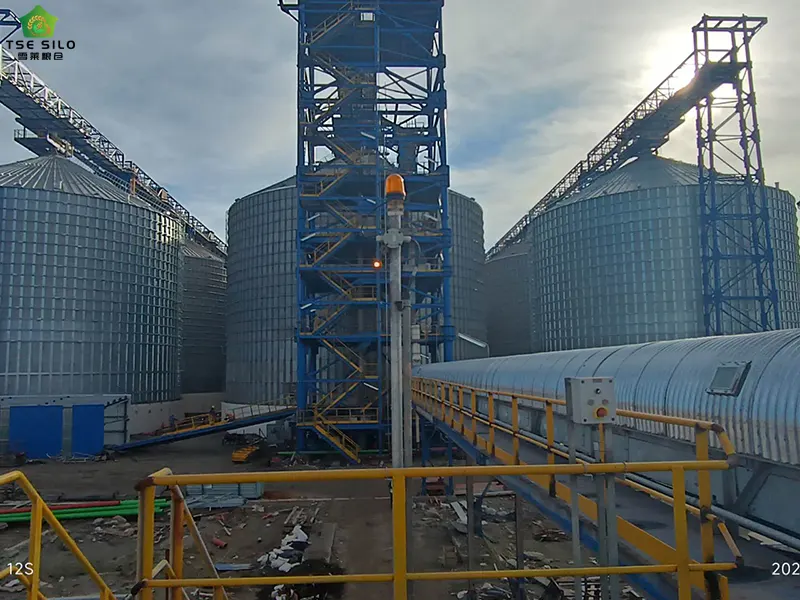
1. The Importance of Flat-bottomed Steel Silo Maintenance
1.1. Mitigating Structural Safety Risks and Preventing Major Accidents
- Flat-bottomed steel silos are mostly used to store bulk materials such as grain, cement, and fly ash. Each silo has a large capacity, and the silo body bears significant material lateral pressure and its own weight load.
- Neglecting maintenance of welded and bolted joints in the silo walls can lead to weld cracking, loose bolts, and consequently, silo wall deformation and collapse, causing material spills, equipment damage, and even serious accidents resulting in casualties.
- Lack of routine maintenance of the silo roof's rainproof seal and the silo's bottom waterproof layer allows rainwater to seep into the silo, affecting material quality, accelerating corrosion of the silo's steel plates, reducing structural strength, and causing water accumulation due to blocked drainage systems at the bottom. This can erode the concrete foundation or wear-resistant steel plates, leading to structural damage and material leakage.
- Regular maintenance of safety facilities such as lightning protection and fire prevention systems can prevent fires caused by lightning strikes, electrical short circuits, and other hazards, ensuring the overall safety of the silo area.
1.2. Extending Equipment Lifespan and Reducing Overall Operating Costs
- The structure of flat-bottomed steel silos and their associated conveying, ventilation, and cleaning equipment are subject to natural wear and tear and aging. Preventative maintenance is far less costly than emergency repairs.
- Regular rust removal and repainting of silo walls effectively slows down steel plate corrosion, preventing silo failure due to perforation and extending silo lifespan from 10-15 years to 20-30 years.
- Regular lubrication and component wear inspection of conveying equipment (conveyors, elevators) prevents malfunctions such as motor burnout and belt breakage caused by equipment operating with defects, reducing downtime for spare parts procurement and labor costs. Calibration and maintenance of ventilation and temperature monitoring equipment prevents subsequent material spoilage and loss due to equipment failure.
- Without routine maintenance, small faults can gradually escalate into major problems. For example, a stuck discharge valve, if not addressed promptly, can lead to material blockage in the silo, requiring significant manpower and resources for manual cleaning, costing dozens of times more than routine maintenance.
1.3. Ensuring Material Storage Quality and Preventing Material Loss and Economic Consumption
- Different materials have significantly different requirements for the storage environment; maintenance work directly determines whether materials will become damp, clump, or deteriorate.
- For materials such as grains that are prone to mold and insect infestation, the normal operation of ventilation and temperature monitoring equipment can regulate the temperature and humidity inside the silo in real time, preventing materials from overheating and becoming moldy, and ensuring the edible or processed quality of the grain. Regular cleaning of residual materials at the bottom of the silo can prevent the growth of mold and pests, reducing the risk of cross-contamination.
- For materials such as cement and fly ash that are prone to caking, the maintenance and execution of fluidization devices and silo-turning operations inside the silo can prevent the material from hardening and caking, avoiding difficulties in warehousing and equipment blockage caused by material clumping, and reducing the material scrap rate.
- Maintaining the silo's sealing performance can prevent the intrusion of external impurities and moisture, ensuring the purity of the material and meeting the quality requirements of downstream production.
1.4. Ensuring efficient warehousing operations and maintaining stable enterprise production and supply chains.
- Flat-bottomed steel silos are core hubs in the production and logistics processes of many enterprises, and their operational status directly affects the connection between upstream and downstream processes.
- Properly maintained steel silos and their supporting equipment ensure efficient material handling, preventing downtime due to equipment malfunctions and guaranteeing continuous production line operation. For example, if a grain processing company is unable to discharge materials due to a malfunctioning steel silo unloading valve, it will directly lead to workshop shutdowns and order delays.
- Standardized inspections and record management allow for the early detection of potential problems, enabling the development of planned maintenance programs, avoiding unplanned downtime, and improving the reliability of the storage system. Furthermore, complete maintenance records are crucial for companies to respond to safety and quality compliance inspections, preventing penalties for violations.
2. Daily Maintenance of Silo Structure
The silo structure is the core of the steel silo and requires thorough inspection for potential problems such as rust, deformation, and leakage to prevent structural failure.
2.1. Silo Wall Maintenance
- Daily inspection of the silo wall exterior is essential. Check the steel plate surface for rust, scratches, bulges, and deformation, paying particular attention to welds and flange connections. If weld cracks or loose bolts are found, immediately stop the machine, tighten the bolts, and repair the welds.
- Regular Rust Removal and Touch-up Painting: Depending on the aging of the silo's anti-corrosion coating, rust removal should be performed every 1-3 years. Sandblasting is preferred, followed by application of a specialized anti-corrosion paint (epoxy zinc-rich primer + polyurethane topcoat). Ensure the coating thickness meets standards to prevent steel plate corrosion and perforation.
- Check Silo Wall Verticality: Measure the verticality deviation of the silo walls monthly using a theodolite. The deviation must be controlled within 0.5‰ of the design value. If it exceeds this range, reinforcement measures must be taken immediately.
2.2. Silo Roof Maintenance
- Check the silo roof's rainproof sealing structure, focusing on the sealing of the rainproof ring, cover plates, and ventilation openings. Seal any gaps with sealant to prevent rainwater from seeping into the silo and causing material dampness.
- Inspect the silo roof railings, ladders, and maintenance platforms for stability. Check for weld detachment and loose bolts. Repair any problems immediately to avoid the risk of falls from height.
- Clean debris from the silo roof (such as fallen leaves, dust, and gravel) to prevent blockage of ventilation or drainage outlets. Check the protective covers of the silo roof ventilation equipment for integrity to prevent foreign objects from entering the fans.
2.3. Silo Bottom Maintenance
- Flat-bottomed steel plate silos typically have concrete or wear-resistant steel plates on the bottom. Check the flatness of the silo floor daily for cracks, sandblasting, and hollow areas. Repair any cracks with epoxy resin mortar.
- Inspect the silo bottom waterproofing layer (such as HDPE geomembrane) for damage or aging to prevent material leakage or groundwater infiltration. Inspect the silo bottom drainage system (drainage ditches, sump pits, sewage pumps) to ensure unobstructed drainage and no water accumulation.
- Regularly clean residual material from the silo bottom to prevent material from clumping and compressing the silo structure, or causing mold and insect infestation (especially for grain materials).
3. Routine Maintenance of Supporting Equipment
The supporting equipment for flat-bottomed steel silos, such as conveying, ventilation, temperature measurement, and cleaning systems, directly affects warehousing efficiency and requires periodic maintenance.
3.1. Conveying Equipment Maintenance (Conveyors, Elevators, Discharge Valves)
- Daily check the belt tension and misalignment of belt conveyors, and ensure the rollers and idlers rotate freely. If the belt is misaligned, adjust the self-aligning idlers. Check the chain lubrication of chain conveyors and add lubricating oil as needed to prevent chain corrosion and jamming.
- Weekly check the wear of the buckets, chains, and sprockets of the elevators. Replace buckets immediately if they are deformed or cracked. Check the sealing performance of discharge valves (such as electric butterfly valves and rotary valves), and ensure the valve plates are not stuck. Regularly clean any residual material from the valve body.
- Monthly maintenance of the motors and reducers of the conveying equipment. Check the motor insulation performance, bearing temperature, and reducer lubricating oil level and quality. Replenish or replace oil as needed.
3.2. Ventilation and Temperature Measurement Equipment Maintenance
- Ventilation System: Clean ventilation ducts and fan filters weekly to remove dust and debris and prevent blockages; check fan vibration and noise levels during operation; bearing temperature must not exceed 70℃; if abnormal, shut down the machine for maintenance, periodically calibrate ventilation volume to ensure it meets the material drying and ventilation requirements.
- Temperature Measurement System: Calibrate the accuracy of temperature probes monthly; check temperature measurement cables for damage or short circuits to ensure real-time monitoring of material temperature inside the silo and prevent localized high temperatures from causing material deterioration (e.g., grain overheating, cement clumping).
3.3. Silo Cleaning Equipment Maintenance
- Flat-bottomed steel silos are mostly cleaned using mechanical cleaning machines. After each cleaning, remove residual material from the equipment; check the wear of scrapers and spiral blades; replace if severely worn, check the tires and guide rails of the equipment's traveling mechanism for damage, and ensure the connection between the motor and reducer is secure.
- If manual cleaning auxiliary tools (such as high-pressure blowers and sweepers) are used, check their operating status regularly and store them in a dry, ventilated place to prevent rust.
4. Warehouse Material Management and Maintenance
The core of material management is preventing materials from becoming damp, clumping, and deteriorating. Targeted maintenance based on material characteristics is necessary.
4.1. Moisture and Mold Prevention Management
- Regularly monitor the humidity inside the warehouse. If the humidity exceeds the standard (e.g., humidity > 65% in grain storage), promptly turn on ventilation equipment to dehumidify. Check the sealing of the moisture-proof layer and airtight doors to prevent external moisture intrusion.
- For materials prone to clumping (e.g., cement, fly ash), regular material transfer is required, or fluidization devices should be used to prevent material caking. For grain materials, insecticides can be applied as needed (meeting food hygiene standards), and the effectiveness of insecticide treatment should be checked regularly.
4.2. Regular Warehouse Cleaning
- Regardless of whether the warehouse is emptied, a thorough cleaning should be carried out every 6-12 months. Clean the warehouse walls and floor of any remaining material, check for any structural defects, and ventilate and dry the warehouse after cleaning before the next loading.
5. Steel Silo Site Environmental Maintenance
5.1. Regular Debris Removal
- The area within 3 meters of the silo must be kept free of weeds, fallen leaves, plastic bags, construction waste, and other debris. This area must be cleaned at least once a week. It is prohibited to pile up idle equipment, material packaging bags, or flammable and explosive materials (such as gasoline and paint buckets) in this area to avoid affecting inspections, emergency operations, or creating fire hazards.
- Promptly clean up any loose material residue at the silo's unloading port and under the conveyor to prevent material from clumping and clogging the drainage system, or attracting insects (especially for grain materials) and causing dust pollution.
5.2. Unobstructed Inspection Passage
- A dedicated inspection passage with a width of at least 1.2 meters must be provided around the silo. This passage must be free of any obstructions to ensure that inspection personnel, maintenance tools, and emergency equipment (such as fire extinguishers) can quickly reach critical areas such as the silo walls, roof, and valves.
- The passageway surface must be flat, free of potholes and bumps to prevent inspection personnel from tripping and falling. If the passageway includes ramps or steps, anti-slip strips and guardrails must be installed.
6. Eliminating Potential Hazards of Steel Silos
6.1. Greenery and Vegetation Control Requirements
Greenery around the silo must not compromise the safety of the silo and must avoid damaging the structure and equipment.
- Vegetation Selection and Planting Range: Deep-rooted plants (such as poplars, willows, and shrubs) are prohibited within 5 meters of the silo foundation to prevent root damage to the soil structure and penetration of the impermeable layer. Shallow-rooted herbaceous plants (such as lawns) can be planted to provide dust control and soil stabilization.
- Regular Pruning and Maintenance: Greenery around the silo must be pruned regularly, with the height controlled below 30cm to prevent excessive vegetation from obstructing the inspection line of sight, blocking ventilation openings, or becoming hiding places for rodents and insects.
6.2. Drainage Ditch and Sump Maintenance
- A circular or single-sided drainage ditch must be installed around the perimeter of the storage area. The ditch should be at least 30cm wide and 40cm deep, free of silt and debris, ensuring unobstructed drainage during rainy weather. The ditch should be cleaned monthly to remove silt and fallen leaves.
- The sump must be equipped with a sewage pump. The pump's operation should be checked regularly to ensure timely drainage of accumulated water. Before the rainy season, the drainage system must be thoroughly dredged to prevent backflow caused by heavy rain.
7. Safety Protection and Inspection Management
7.1. Safety Facility Maintenance
- Check the grounding resistance of the lightning protection device on the storage roof (test annually, grounding resistance ≤10Ω) to ensure effective lightning protection. Check the integrity of the fire-fighting facilities (fire extinguishers, fire hydrants) in the storage area and replace expired agents regularly.
- Inspect the insulation and grounding of electrical equipment. Distribution cabinets and motor junction boxes must be protected against rain and moisture to prevent short circuits and leakage. Explosion-proof lighting equipment must be provided for operations inside the warehouse (for flammable and explosive material storage scenarios).
7.2. Inspection and Record Management
- Establish a three-tiered inspection system: daily inspection (warehouse exterior, equipment operating status, warehouse temperature and humidity), weekly inspection (equipment lubrication, welds and bolts, drainage system), and monthly inspection (structural verticality, anti-corrosion coating, safety facilities).
- All maintenance work must be recorded in a maintenance log, noting the inspection time, problems found, handling measures, and responsible personnel, facilitating traceability and the development of annual maintenance plans.
8. Maintenance Operation Precautions
- Before entering the warehouse, ventilation equipment must be turned on for at least 2 hours. The oxygen concentration (≥19.5%) and harmful gas concentration inside the warehouse must be tested. Entry is only permitted after safety is confirmed, and a dedicated person must supervise from outside the warehouse.
- When performing rust removal and welding repair operations, fire prevention measures must be taken. Keep away from flammable and explosive materials to avoid sparks causing a fire. When working at heights (such as silo roof maintenance), safety belts must be worn, and tools used must be protected against falling. Throwing objects is prohibited.
Conclusion:
Routine maintenance of flat-bottomed steel silos is not an "extra burden," but a necessary measure to ensure the long-term stable operation of the storage system, avoid safety risks, reduce overall operating costs, and maintain material quality and corporate economic benefits. Therefore, it is a crucial link throughout the entire life cycle of the steel silo and deserves our utmost attention. The above are the six most important maintenance tasks for the operation of flat-bottomed steel silos, compiled by our steel silo manufacturer, Xuelai Storage. We hope this information will be helpful when operating flat-bottomed steel silos in the future.
Written by
Shandong Shelley Grain Steel Silo Co., Ltd
Editor Jin
WhatsApp : +86-18653877118
Email : shelley@cnshelley.com