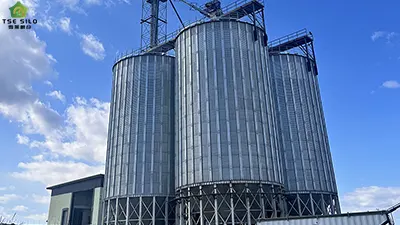
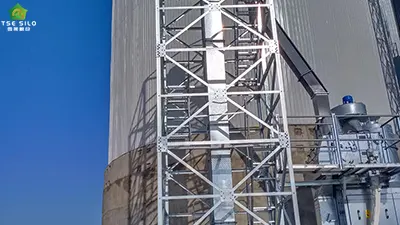
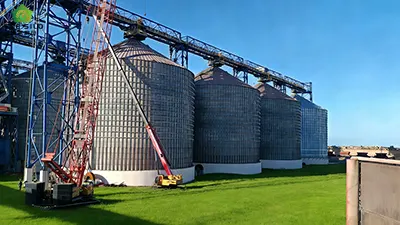
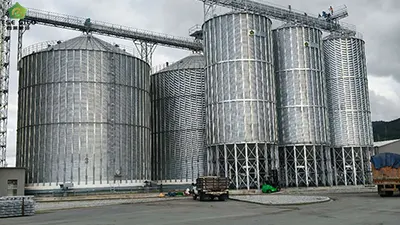
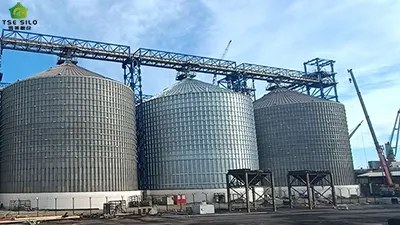
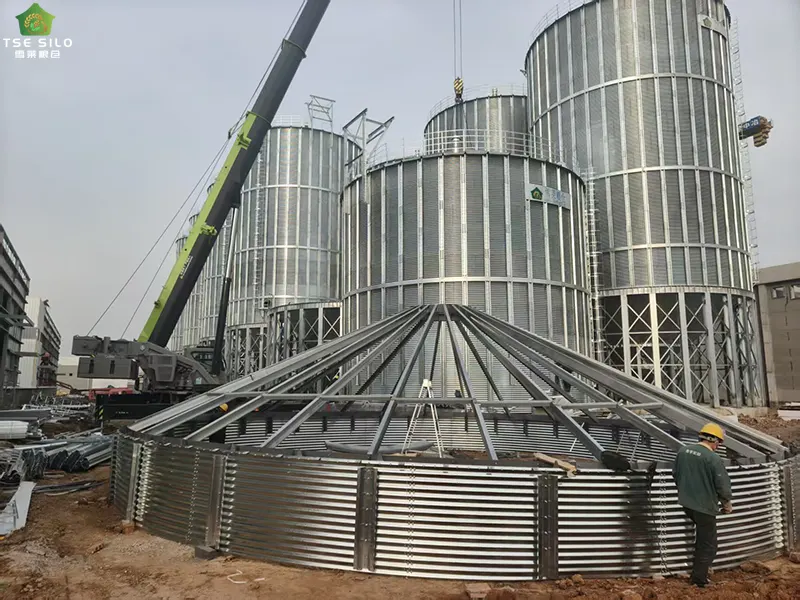
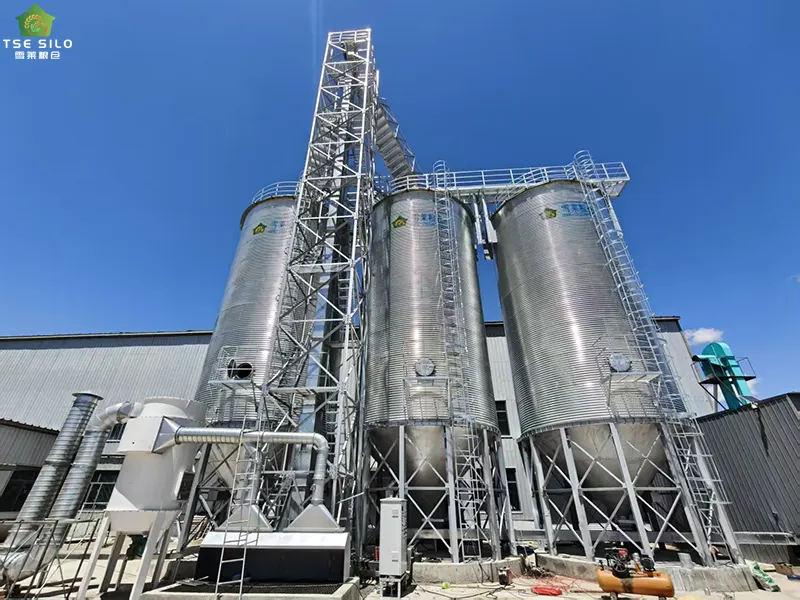
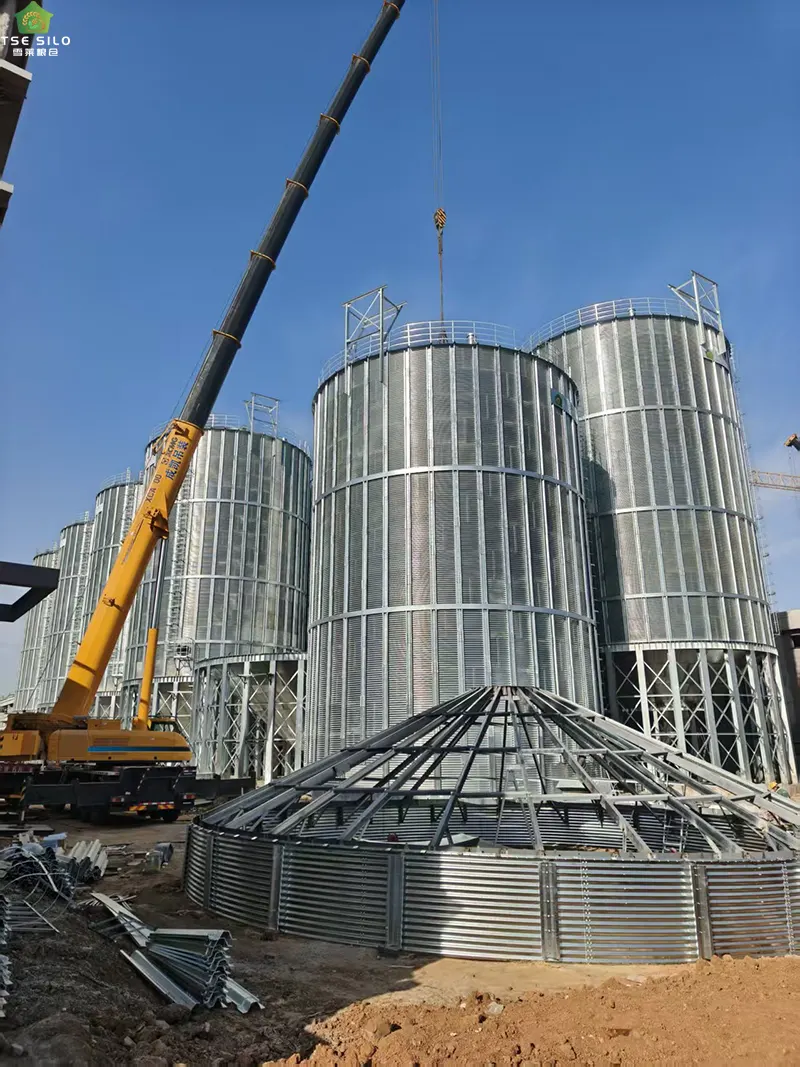
To ensure the long-term safe storage of grain in Shelley flat-bottomed steel silos, extend the silo's lifespan, and prevent dust and mold risks, ten key details for cleaning the silos have been developed based on Shelley Grain Storage Intelligent Technology Co., Ltd.'s steel silo operation and maintenance specifications and national grain storage safety standards. This specification focuses on ten core aspects: cleaning cycle, dust control, cleaning pressure, water quality standards, treatment of hard-to-reach areas, ventilation and drying, disinfection standards, safety protection, acceptance standards, and record traceability. It quantifies indicators and clarifies operational standards to ensure standardized, regulated, and implementable cleaning operations, safeguarding grain security and the integrity of the silos from the source.
1. Clearance period and time limit for holding cash
1.1. Standard Cleaning Cycle for Regular Grain Storage
- For grains with normal safe moisture content (corn, wheat, and rice in regular storage): The entire warehouse must be emptied and thoroughly cleaned every 60-90 days.
- For grains with high moisture content, stored during high-temperature seasons, or during the rainy season: Mandatory emptying and cleaning of the warehouse every 30 days.
- For large flat-bottomed steel silos (single silo capacity ≥ 1000t): Routine inspection and partial dust removal of the surface and corners of the silo monthly; a thorough emptying, deep cleaning, and disinfection of the entire warehouse quarterly.
1.2. Cleaning Time Limits After Emptying the Warehouse
- After grain is removed from the warehouse and the warehouse is emptied: Initial rough cleaning (removal of residual grain, large clumps, and floating dust) must be completed within 24 hours.
- After the initial cleaning: A complete set of procedures including thorough cleaning, cleaning of hard-to-reach areas, disinfection, and ventilation/drying must be completed within 7 days.
1.3. Additional Time Limits for Special Conditions
- Warehouses with condensation, localized mold, or pest infestation: Immediately empty the warehouse. Emergency cleaning and disinfection must be carried out within 4 hours of emptying; no delays are allowed.
- For cross-variety grain rotation (corn to wheat, mixed grains rotation): After emptying the warehouse and completing cleaning and disinfection, allow it to ventilate for at least 48 hours before adding new grain.
1.4. Summary of Strict Control Data
- Regular warehouses: Complete warehouse cleaning every 60-90 days.
- High-risk warehouses: Complete warehouse cleaning every ≤30 days.
- Initial empty warehouse cleaning: Complete within 24 hours of removal from the warehouse.
- Detailed Finishing: Complete all work within 7 days.
- Grain Changing Interval: After cleaning, allow for static ventilation for ≥48 hours.
2. Dust Accumulation Thickness Control (Explosion-proof, Anti-caking)
2.1. Allowable Dust Accumulation Thickness Standards for Various Parts
- Silo Floor and Flat Areas: Maximum allowable dust accumulation thickness ≤1mm. If exceeding 1mm, immediate negative pressure vacuuming or dry cleaning is required. Direct high-pressure air blowing is strictly prohibited.
- 2. Silo Roof Frame, Beam Frame, Walkway, and Maintenance Platform: Maximum allowable dust accumulation thickness ≤0.5mm. Dust easily accumulates at higher locations; weekly inspections and monthly cleaning are required.
- 3. Ventilation Cage, Ventilation Holes, and Mesh Plate Gaps: Dust accumulation thickness ≤0.3mm. No blocked pores; ensure ventilation opening rate does not decrease to avoid dust spontaneous combustion and dust explosion hazards.
2.2. Dust Concentration and Environmental Control Data
- Dust concentration in the warehouse operating space: Control standard ≤ 8mg/m³. If the standard is exceeded, cleaning operations must be stopped immediately, and axial flow fans must be turned on for forced ventilation to reduce dust.
- Strictly Prohibited Operations During Cleaning: Direct blowing of compressed air above 0.5MPa onto large areas of accumulated dust is prohibited to prevent a sudden increase in dust concentration and potential safety risks.
2.3. Cleaning Frequency Requirements
- Regular grain storage: Comprehensive thickness measurement and dust cleaning once a month.
- Autumn harvest peak season, high dust levels: Special dust cleaning once every 15 days.
- High-altitude components on the warehouse roof: Fixed cleaning once a month.
3. Warehouse Wall/Bottom Cleaning Pressure and Water Quality (Preventing Deformation and Rust)
3.1. High-Pressure Washing Standard
- High-pressure washing of warehouse walls and flat-bottomed steel plates is conducted using high-pressure water guns: Working pressure is strictly controlled between 6 and 8MPa. Direct high-pressure washing exceeding 8MPa is strictly prohibited to prevent dents in the steel plate surface, peeling of the anti-corrosion coating, and damage to the paint film.
- Operating Safety Distance: Maintain a vertical distance of ≥30cm between the water gun nozzle and the silo wall and floor. Use an angled, gentle, and buffered wash, avoiding close-range, point-to-point spraying.
- Crack and Weld Blowing Pressure: Compressed air pressure ≤0.5MPa, low-pressure directional dust removal to avoid damaging the anti-corrosion layer.
3.2. Cleaning Water Quality Indicators
- Water pH: Control the pH of the cleaning water to 6-9, slightly alkaline to avoid acid and alkali corrosion of the steel plate and anti-corrosion coating.
- Chloride Ion Content: Chloride ions in the water ≤25mg/L to prevent electrochemical pitting corrosion and rust re-emergence on the steel plate.
3.3. Post-Rinsing Drying Temperature and Humidity Control
- After routine rinsing: Allow to air dry naturally for at least 24 hours, ensuring no standing water or dampness on the surface.
- High Humidity and Rainy Weather: When the relative humidity is >70%, extend the drying time to 48 hours, simultaneously activating mechanical ventilation and dehumidification within the silo.
3.4. Ventilation Airflow Standards
- During the cleaning and drying stage, the ventilation airflow inside the silo should not be less than 0.05 m³/s·t to quickly remove moisture, prevent condensation, and prevent steel plate rusting.
4. Deep Cleaning of Dead Corners/Cracks (Preventing Residue and Pests)
- Silo bottom corners and joints between the ring beam and the bottom plate: Use a hard nylon brush (filament diameter ≤ 0.3 mm) + negative pressure vacuuming to remove residual grains ≤ 3 grains/m².
- Welds/bolt holes: Use compressed air (pressure ≤ 0.5 MPa) for directional blowing, then wipe with a damp cloth until no visible dust remains.
- Manhole/Temperature Measuring Hole Sealing Grooves: After cleaning, replace with ≥ 3 mm thick oil-resistant rubber gaskets to ensure a sealing leakage rate ≤ 0.1 m³/h.
5. Special Treatment for Mold/Clumping (Preventing Cross-Contamination)
- Localized mold/clumping: Manually peel off the mold and wipe with a 1% hydrogen peroxide solution for ≥15 min, then rinse with clean water and air dry.
- Contaminated area >0.5 m²: Disinfect the entire storage area with a 0.5% hydrogen peroxide spray (≥50 mL/m²), seal for 2 hours, then ventilate to remove residue.
- Sample retention after treatment: Take one sample per 50 m²; the total mold count must be ≤100 CFU/g before adding new grain.
6. Ventilation System Cleaning and Airflow Guarantee (Humidity Control, Mold Prevention)
- Ventilation ducts/fan blades: Clean dust monthly; dust accumulation ≤0.8 mm; fan efficiency ≥95%.
- Ventilation perforation mesh: After cleaning, the opening rate must be ≥90%, with no blockage; check the seal before the rainy season; rainwater backflow ≤0 mL.
- Post-cleaning ventilation: Continuous for ≥4 hours, relative humidity ≤65%, temperature ≤25℃ (rice ≤15℃).
7. Confined Space Work Safety (Prevention of Asphyxiation, Prevention of Poisoning)
- Oxygen: 19.5%~23.5%.
- Combustible gas: ≤0.5% LEL.
- Toxic gas: CO≤25 ppm, H₂S≤10 ppm.
- Gas retesting: Every 30 minutes; evacuate immediately if abnormalities are detected.
- Lighting: 12V explosion-proof LED light, brightness ≥50 lux; personnel secured by double ropes, working angle ≤30°.
8. Cleaning Tool Material and Specialization (Prevention of Scratch, Prevention of Cross-Contamination)
- Tools in contact with steel plate surfaces: Nylon/food-grade silicone material, hardness ≤60 Shore A, no metal burrs.
- Dedicated Tool Zoning: Raw/cooked materials and cleaning/contaminated tools are color-coded, with a 0% mixing rate.
- Tool Disinfection: After each use, soak in 0.2% sodium hypochlorite solution for 10 minutes, rinse thoroughly with clean water, and air dry. Total bacterial count ≤10 CFU/cm².
9. Drainage and Surrounding Environment Cleaning (Leak Prevention, Rodent and Insect Control)
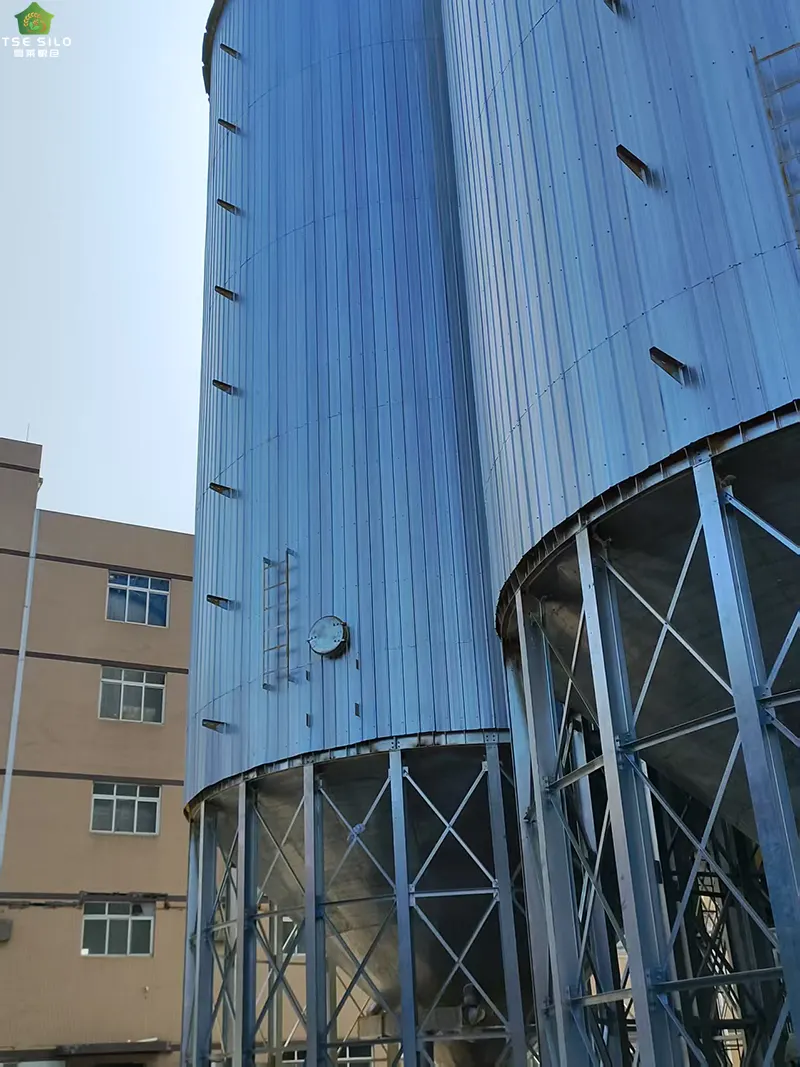
- Internal Drainage Ditch: Cleaned weekly, no debris blockage, drainage volume ≥10 L/min·m.
- External 5m Surrounding Area: No weeds, no standing water, garbage ≤0.1 kg/m²; rodent barrier height ≥60 cm, sticky rodent traps every 10 m at corners.
- Pre-Rainy Season Inspection: No leaks in warehouse welds/floor, 0 points of seepage.
10. Cleaning Records and Acceptance Standards (Traceability, Quality Assurance)
- Record Content: Date, Personnel, Area, Method, Dosage, Test Data, Archived for ≥5 years.
- Sensory Inspection: No visible dust, no grain residue, no mold, and no odor.
- Sampling Inspection: Dust residue ≤0.5 g/m², microbial mold ≤100 CFU/g, bacteria ≤1000 CFU/g, and no live insects.
The above ten details are the core principles of cleaning the Shelley flat-bottomed steel silos. All personnel must strictly adhere to them, ensuring that data does not exceed standards, operations are not violated, and no details are overlooked. Regular cleaning and scientific maintenance can effectively prevent risks such as dust explosions, grain mold, and steel corrosion, while maximizing the service life of the steel silos, reducing operation and maintenance costs, and providing a solid guarantee for safe grain storage. This standard is effective from the date of its issuance and is supervised, trained, and updated by the Shelley Grain Depot Technology and Safety Department to ensure that every cleaning operation is safe, efficient, and meets standards.
Written by
Shandong Shelley Grain Steel Silo Co., Ltd
Editor Jin
WhatsApp : +86-18653877118
Email : shelley@cnshelley.com