LANGUAGE
Harvest season is the most demanding period of the year for any grain storage facility. Within a few short weeks, flat bottom silos must receive, hold, and protect thousands of tons of freshly harvested grain—often under significant time pressure. A silo that has been neglected during the off-season can quickly become a liability: leaking roofs contaminate grain, seized fans cause hotspots, and weakened structures fail under the weight of a full load.
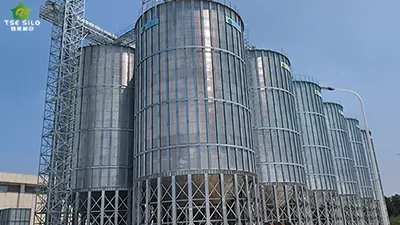
Flat bottom silos are the workhorses of commercial grain storage worldwide, prized for their high volumetric efficiency, low per-ton cost, and suitability for large-capacity operations. Unlike cone-bottom designs, flat bottom silos rely on sweep augers or manual clearing for discharge, and their large roof areas and extensive aeration floors demand systematic attention. The flat base maximizes usable volume—space utilization can exceed 95%—but it also means that every square meter of the floor and every meter of the wall must be inspected and maintained.
This guide outlines seven essential maintenance tips that every operator should complete before harvest begins. Following these steps will help ensure your flat bottom silos operate safely, efficiently, and without costly interruptions throughout the storage season. Each tip includes what to check, why it matters, and when to schedule the work.
The foundation is the single most critical structural element of any flat bottom silos installation. Because the entire weight of the stored grain—which can exceed several thousand tons—is transferred directly through the flat base to the foundation, any deterioration here poses an immediate safety risk. Unlike elevated or cone-bottom structures, flat bottom silos distribute load across the full footprint, making uniform support essential.
What to check:
Flat bottom silos are particularly vulnerable to water ingress at the wall-to-foundation junction. If water seeps beneath the base plate, it can corrode the bottom ring of the silo wall—a repair that is far more expensive than prevention. In severe cases, water trapped under the floor can freeze and heave during winter, cracking the concrete and misaligning the silo base.
Scheduling note: Complete a thorough foundation inspection 4–6 weeks before harvest to allow time for concrete repairs to cure. Concrete repairs require a minimum of 7 days curing before the silo can be loaded.
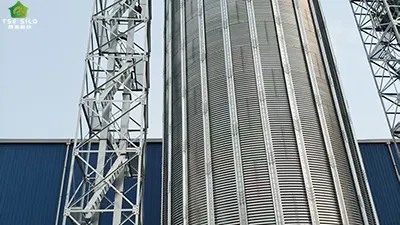
The cylindrical wall of flat bottom silos bears enormous lateral pressure from stored grain. Pressure increases with depth, reaching its maximum at the base—precisely where moisture and condensation tend to accumulate. Over a season of loading and unloading cycles, plus exposure to weather, the steel can develop issues that compromise both safety and grain quality.
What to check:
Corrosion is often concentrated near the bottom of flat bottom silos, where condensation and moisture accumulate. Any area showing rust breakthrough should be cleaned and recoated with a zinc-rich primer before harvest. Pay particular attention to the area behind stiffeners and around manholes, where moisture can become trapped and corrosion progresses unnoticed.
Mild bulging of some steel plates can be normal under load. However, excessive or asymmetric bulging is a sign that the steel is approaching its yield limit and must be assessed by a structural engineer before the silo is filled.
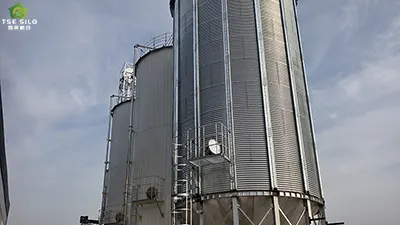
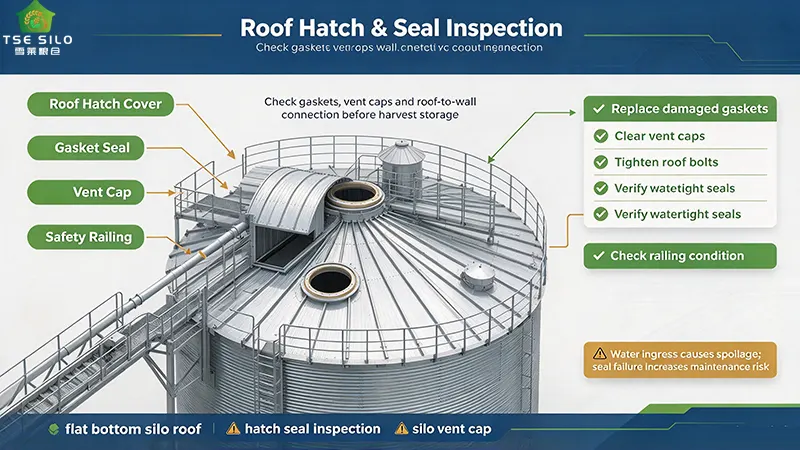
The roof of a flat bottom silos structure is its first line of defense against rain, snow, and humidity. A single leaking roof hatch or deteriorated seal can allow water to drip onto the grain surface, creating a spoilage pocket that spreads rapidly. Because flat bottom silos typically have large roof areas, even small defects can admit significant water over a season.
What to check:
Roof leaks are one of the most common causes of grain spoilage in flat bottom silos. Even a pinhole leak can introduce enough moisture to trigger mold growth in the top layer of grain. Because the top surface of the grain mass is directly exposed to any drip, spoilage can establish quickly and may not be detected until the silo is opened for discharge.
Pro tip: After heavy rain, inspect the grain surface through the roof hatch. Damp patches or crusting indicate an active leak that must be repaired before loading.
Aeration is essential for maintaining grain quality in flat bottom silos. The flat aeration floor—typically consisting of perforated ducts or a full perforated plate—distributes cooling air evenly through the grain mass. If ducts are blocked or fans are malfunctioning, temperature gradients develop, moisture migrates, and hotspots form. In flat bottom silos, uneven airflow is particularly dangerous because the large flat floor can create stagnant zones that are difficult to detect without sensors.
What to check:
For flat bottom silos, the aeration floor is both a functional component and a structural one. Damaged floor plates can create uneven support, leading to stress concentrations in the silo base. Operators should walk the floor carefully during inspection and replace any deformed or perforated plates before harvest.
Energy efficiency also matters. A well-maintained aeration system in flat bottom silos can reduce electricity consumption by up to 40–60% compared to a system with blocked ducts and inefficient fans. Pre-season testing is an investment that pays back throughout the storage season.
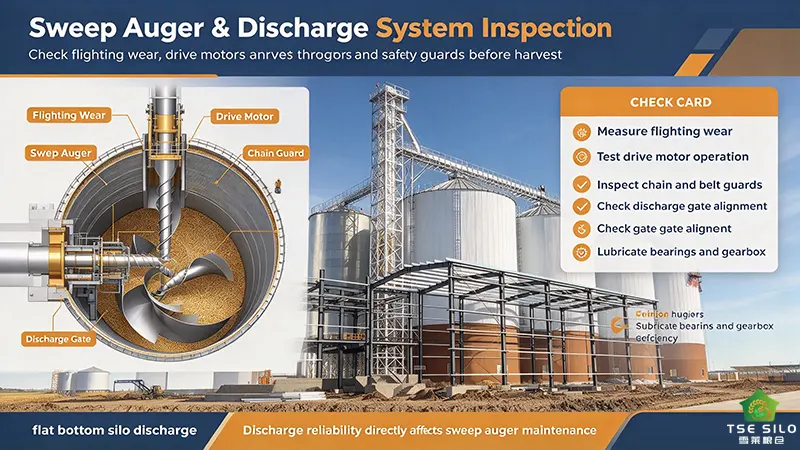
Discharging grain from flat bottom silos requires mechanical assistance—typically a sweep auger, a chain conveyor, or a combination of both. Because these systems operate under heavy load and in a dusty environment, they are prone to wear and require pre-season servicing. Unlike cone-bottom silos that rely on gravity, flat bottom silos depend entirely on mechanical discharge equipment, making its reliability critical.
What to check:
A discharge system failure during harvest can force you to empty a flat bottom silos manually—a slow, labor-intensive, and potentially dangerous process. Pre-season servicing is far cheaper than an emergency repair mid-season. Sweep augers, in particular, should be tested under load before the season begins, as problems often only appear when the auger is moving grain.
Modern flat bottom silos are equipped with temperature cables and level indicators that provide critical data during storage. If these sensors are inaccurate or offline, you lose the ability to detect spoilage early—when intervention is still cheap and easy. In flat bottom silos, where the grain mass is large and airflow can be uneven, sensor data is the primary tool for spotting problems before they become visible.
What to check:
Temperature monitoring is especially important in flat bottom silos, where the large grain mass and flat floor can create stagnant zones that are difficult to aerate evenly. Accurate sensors allow you to target aeration where it is needed most and to detect hotspots before they spread.
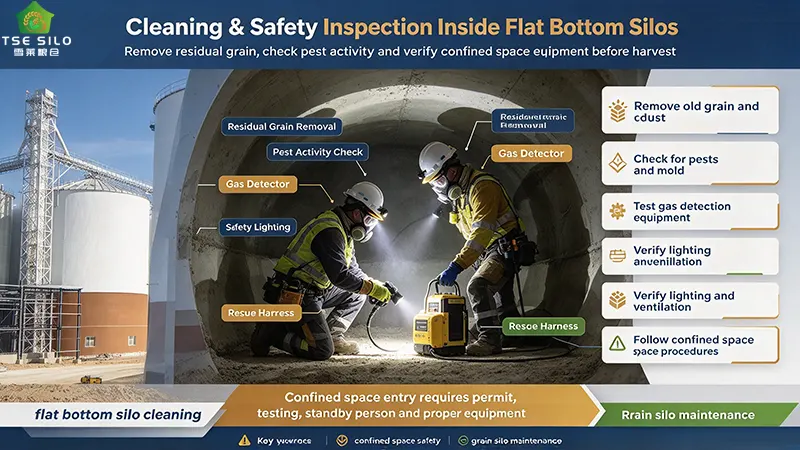
The final—and often overlooked—step is a comprehensive safety and hygiene protocol. Dust, residual grain, and pest activity from the previous season can contaminate new grain and create serious safety hazards. For flat bottom silos, the large interior space and mechanical discharge equipment introduce specific risks that must be addressed before the busy harvest period.
What to do:
Flat bottom silos present specific safety risks during cleaning and entry, including engulfment hazards from bridged grain and exposure to dust and fumigants. Never allow entry without proper permits, harnesses, and a standby observer. The sweep auger must be locked out and tagged out before anyone enters the silo.
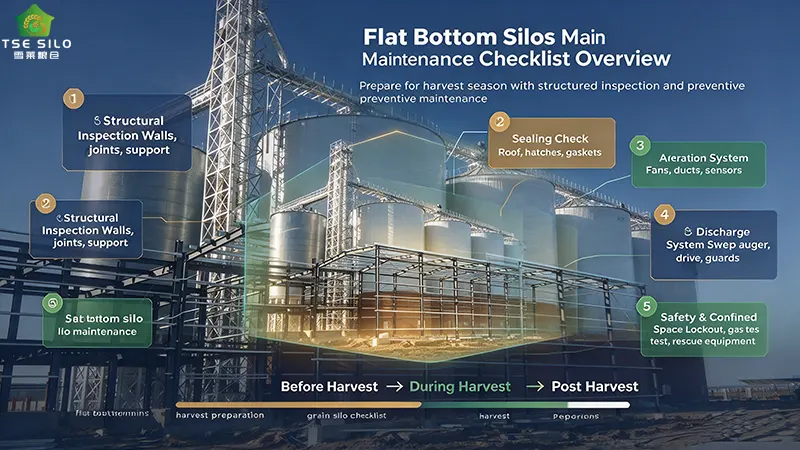
To keep your flat bottom silos on track, use the following schedule as a planning guide. Adjust the timing based on your local climate, the number of silos you operate, and the availability of maintenance crews and spare parts.
| Timing | Task | Focus Area |
| 6 weeks before | Foundation and anchor bolt inspection | Structural safety |
| 5 weeks before | Silo body and corrosion inspection | Wall integrity |
| 4 weeks before | Roof and opening seal check | Moisture prevention |
| 3–4 weeks before | Aeration system testing | Grain quality |
| 3 weeks before | Discharge system servicing | Operational reliability |
| 2–3 weeks before | Sensor calibration and cleaning | Data accuracy and hygiene |
| 1–2 weeks before | Final safety review and staff briefing | Personnel safety |
For operators managing multiple flat bottom silos, prioritize the units that will be filled first and those holding higher-value grain. Stagger the maintenance schedule so that at least one silo is always available for emergency storage during the preparation period.
Preparing flat bottom silos for harvest is not a single task but a coordinated sequence of inspections, tests, and repairs. The seven tips outlined above—foundation inspection, wall examination, roof sealing, aeration testing, discharge servicing, sensor calibration, and safety protocols—cover every critical system that determines whether your storage season runs smoothly or descends into emergency repairs.
Flat bottom silos reward proactive maintenance. A few days of careful preparation before harvest can prevent weeks of spoilage, equipment failure, and grain loss during the season. Conversely, neglecting even one system—a blocked aeration duct, a worn sweep auger, a leaking roof hatch—can undermine the entire storage operation. Because flat bottom silos rely on mechanical discharge and large aeration floors, the consequences of neglect tend to be more severe than in simpler storage designs.
Start your maintenance program six weeks before harvest to allow adequate time for repairs, parts ordering, and concrete curing. Document every inspection, keep a maintenance log, and review it before the next season. Train your staff on confined space entry, sweep auger safety, and emergency procedures—and never compromise on safety for the sake of speed.
With systematic pre-season preparation, your flat bottom silos will be ready to receive the harvest safely, protect grain quality, and deliver the reliable performance that modern grain storage demands. For operators seeking expert guidance on flat bottom silos design, maintenance, or upgrades, working with an experienced manufacturer ensures that every component—from foundation to roof—is built and maintained to the highest standard.
Written by
Shandong Shelley Grain Steel Silo Co., Ltd
Editor Jin
WhatsApp : +86-18653877118
Email : shelley@cnshelley.com