LANGUAGE
Grain is a living biological material that continues to respire even after harvest. When placed into storage, it acts as a natural insulator, retaining heat and creating an environment where temperature and moisture interact in complex ways. Without proper management, these factors can lead to mold growth, insect infestation, moisture migration, and significant post-harvest losses—up to one-third of the total annual global production of grains is lost due to poor post-harvest management.
Aeration and temperature monitoring are the two most effective tools for protecting grain quality during storage. When correctly designed and managed, aeration achieves cooler grain temperatures and uniform grain moisture conditions, reducing problems with insect pests and molds while maintaining critical quality attributes. Temperature monitoring provides real-time data on storage conditions, allowing operators to detect problems early and take corrective action before spoilage occurs.
Below are the nine essential functions that aeration and temperature monitoring perform to safeguard grain quality.
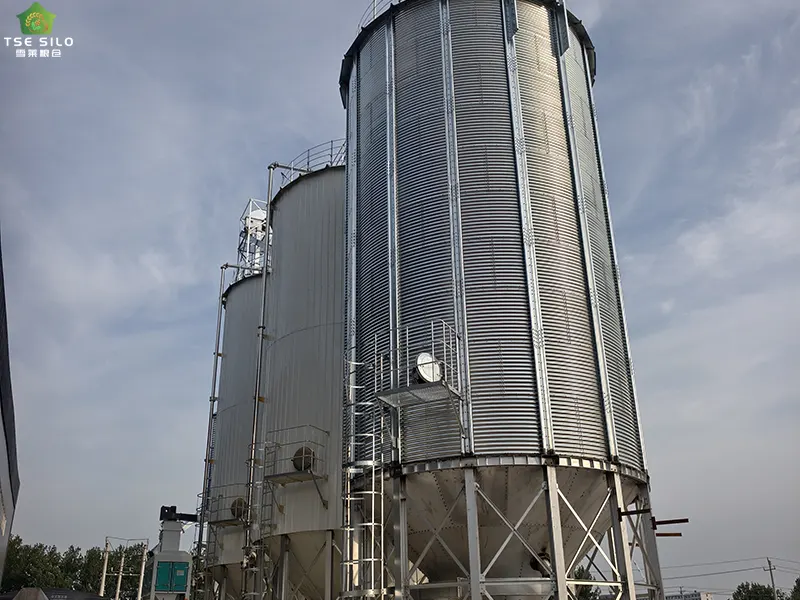
Temperature is a key driver of insect pest growth in stored grain. Storage temperatures of 82–91°F (28–33°C) provide ideal conditions for pests such as the rusty grain beetle, red flour beetle, granary weevil, rice weevil, and lesser grain borer to reproduce rapidly. When grain temperatures fall below 50°F (10°C), insect activity and reproduction slow significantly.
Aeration cooling is one of the most effective tools to combat stored grain insect pests. By reducing grain temperature to below 20°C, aeration significantly reduces mold and insect development. Cooling grain to 60°F (15.5°C) or below slows the activity of most stored-product insect pests. Research has shown that aeration can rapidly reduce stored grain temperatures to a level that helps maintain grain quality and inhibits insect development. Grain temperatures under 23°C during summer storage and less than 15°C during winter are optimal for managing insect and pathogen incursion.
Temperature monitoring systems enable early detection of temperature changes that may indicate insect activity, allowing operators to take corrective action before infestations become established. Temperature control limits the invasion of insects in stored grain, reducing their activity and reproduction.
Mold growth is one of the most common causes of grain spoilage. Excessive temperatures accelerate the growth of microorganisms—bacteria, mold, and fungi—in grain due to its natural moisture content. Temperature control reduces this risk.
Aeration cooling prevents mold from developing by maintaining cool, uniform temperatures throughout the grain mass. When correctly designed and managed, aeration achieves cooler grain temperatures that reduce problems with grain molds. Grain temperatures below 20°C significantly reduce mold development. Aeration cooling also allows grains to be harvested with a higher moisture content and temporarily stored in hopper bottom silos without quality loss.
Temperature monitoring systems help prevent spoilage by identifying temperature increases that may indicate mold growth. Regular monitoring of grain temperature is integral to minimizing the risk of mold damage. By monitoring temperature patterns and controlling airflow through ventilation, storage operators can reduce hotspots, minimize condensation, and maintain grain quality over extended periods.
More dried grain goes out of condition because grain temperatures are not controlled than for any other reason. Improper control of temperature causes moisture to move or migrate from one part of the grain mass to another, where it can accumulate and cause spoilage.
Without aeration, temperature differences in a bin of stored grain cause moisture to migrate from warmer areas to colder areas. This temperature difference can lead to moisture migration—currents of air that deposit moisture at the top center of the grain mass, increasing the risk of mold growth and crusting. Aeration is a critical tool in preventing moisture buildup and maintaining uniform grain temperatures. It helps mitigate temperature gradients within the grain bulk, reducing the risk of localized hotspots.
Temperature monitoring systems detect the early warning signs of moisture migration by identifying temperature differentials within the grain mass. With continuous monitoring of temperature, moisture, and storage conditions, operators can identify problems and take corrective action immediately. This combination of aeration and monitoring prevents the convection cycles that lead to condensation and localized spoilage.
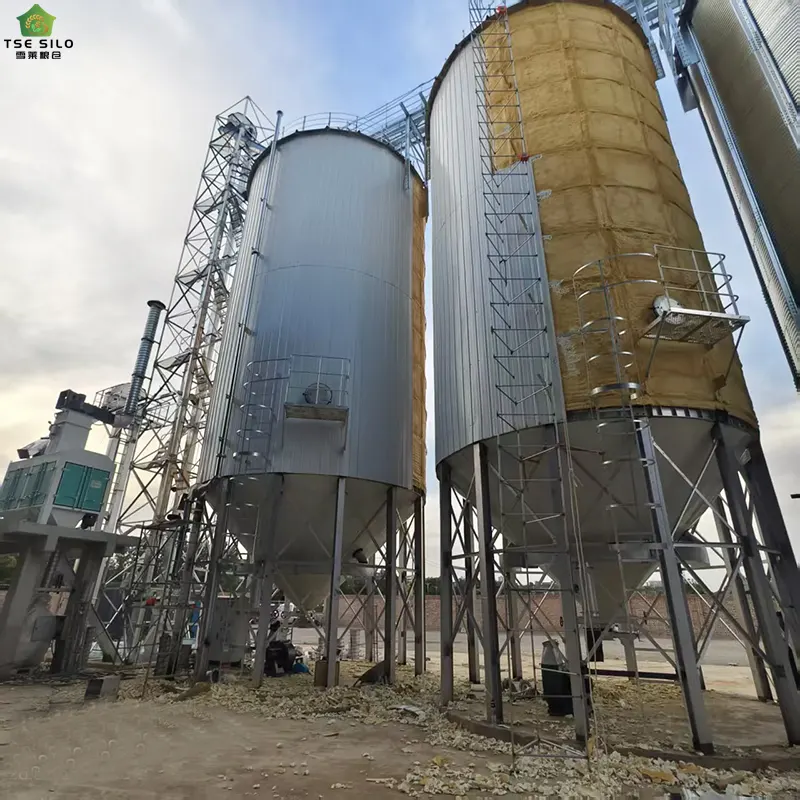
Cool temperatures increase the maximum allowable storage life of grain. The allowable storage time approximately doubles for each 10°F (5.6°C) that the grain is cooled. This relationship between temperature and storage life is one of the most powerful arguments for investing in aeration and temperature monitoring.
Effective grain cooling extends storage time significantly. By maintaining grain at optimal temperatures—ideally 13°C or lower—operators can store grain for much longer periods without quality deterioration. Aeration cooling allows for longer-term storage of low-moisture grain by creating desirable conditions for the grain and undesirable conditions for mold and pests.
Temperature monitoring ensures that grain remains within the ideal temperature range throughout the storage period, reducing the risk of spoilage and extending storage life. This extended storage capability gives farmers the flexibility to wait for better market prices rather than being forced to sell immediately after harvest.
For grain intended for seeding purposes, maintaining viability is critical. Regular monitoring of grain temperature is integral to ensuring seed stored for planting maintains acceptable seed viability. Cool storage conditions minimize the risk of mold and insect damage that can reduce germination rates.
Reducing grain temperature with aeration cooling protects seed viability. Seed viability is best preserved when grain is kept cool, ideally below 25°C, and dry, at less than 12% moisture. Research has found that aeration improves seed viability—the seed's ability to germinate—over seed stored in conventional non-aerated storage, reducing the seed losses growers might normally incur when storing seed over summer. Proper aeration cooling helps maintain grain quality attributes such as germination rates and seedling vigor.
Temperature monitoring systems provide early warning of conditions that could damage seed viability. An increase in grain temperature during storage leads to denaturation of plant protein and reduces the percentage of viability. Continuous monitoring allows operators to detect and correct temperature problems before they affect germination capacity.
Beyond basic storage preservation, aeration helps maintain specific quality attributes that determine market value. When correctly designed and managed, aeration helps maintain grain quality attributes such as seed germination, pulse seed color, oil quality, and flour quality.
Temperature variation during storage causes fewer grain breaks, producing better quality grain. Aeration cooling helps maintain uniform grain moisture conditions, which is essential for preserving processing quality. Temperature monitoring systems help prevent spoilage and maintain the quality of stored grain. Precise temperature measurements can prevent grain degradation and loss of nutritional value.
For food-grade grain destined for milling, baking, or processing, maintaining these quality attributes is essential for meeting market specifications and achieving premium prices.
Modern temperature monitoring systems often come equipped with data logging and reporting features. This means operators can track temperature trends over time and gain valuable insights into the storage conditions of their grain. With access to historical data, informed decisions can be made about grain management, including when to adjust ventilation or address potential issues before they become major problems.
Grain temperature is regarded as the most reliable indicator for routine grain storage supervision and is widely used as a primary basis for assessing storage conditions. Continuous monitoring of temperature, moisture, and storage conditions allows operators to identify early warning signs and take corrective action immediately. This data-driven approach transforms grain management from reactive to proactive.
Automated aeration systems that integrate with temperature monitoring can run fans based on real-time data rather than fixed schedules, ensuring that aeration occurs only when conditions are optimal. This precision improves storage outcomes while reducing labor requirements.
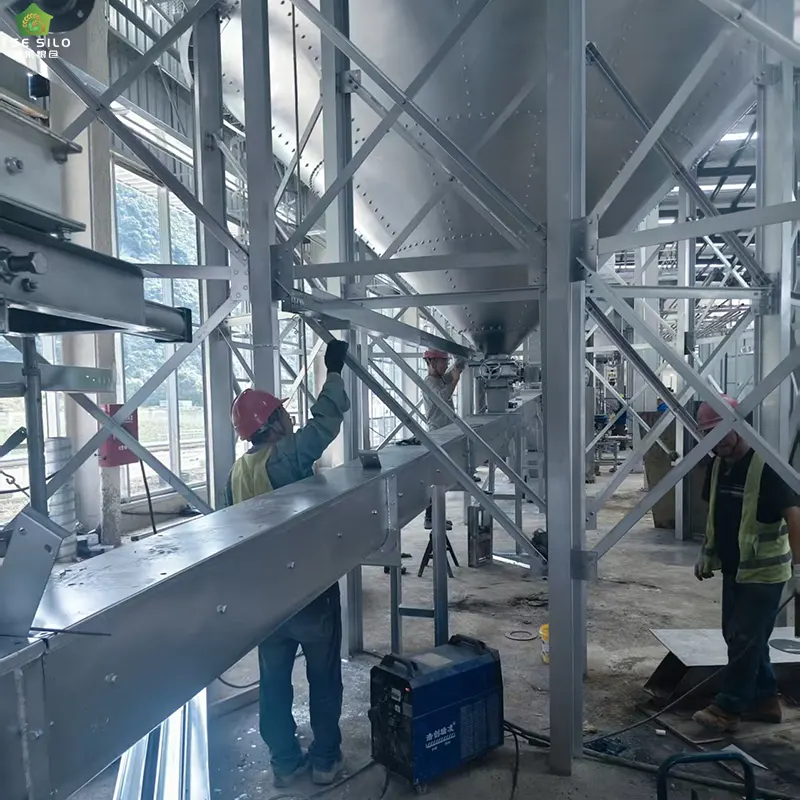
Efficient management of grain storage climate can lead to significant cost savings. Temperature monitoring systems help optimize the use of aeration equipment, reducing unnecessary energy consumption. By ensuring that ventilation systems are only running when needed, operators can lower energy costs while still maintaining ideal storage conditions.
Research has demonstrated substantial energy savings through optimized aeration design. One study found that a specific duct configuration achieved 21% and 17% energy savings compared to alternative designs. Storage units with efficient, properly sized ventilation systems can reduce electric energy consumption in the aeration process by up to 60% while keeping temperature homogeneous across the storage.
Automated fan control ensures that grain is not being over-dried during the cooling process, minimizing shrink loss. This combination of energy efficiency and quality preservation makes aeration and temperature monitoring a cost-effective investment for any grain storage operation.
Proper grain storage is not only about preserving quality but also about meeting safety standards. Inadequate storage conditions can lead to safety hazards, including the risk of fire from spontaneous combustion. In extreme cases, improper temperature can lead to grain self-ignition or create conditions conducive to grain dust explosions, posing a serious safety threat.
Temperature monitoring systems help ensure that grain is stored in compliance with safety regulations, reducing the risk of safety issues and ensuring that industry standards are met. Safety regulations often require monitoring and documenting storage conditions, including temperature.
Aeration also provides the efficient venting of gases after a phosphine fumigation. For sealable hopper bottom silos, vents require simple, effective systems for creating a gas-tight seal during fumigation. Regular monitoring ensures aeration systems are operating effectively.
Temperature sensors and monitoring systems help prevent the conditions that can lead to fires or explosions. This safety function protects both the stored grain and the personnel who manage the storage facility.
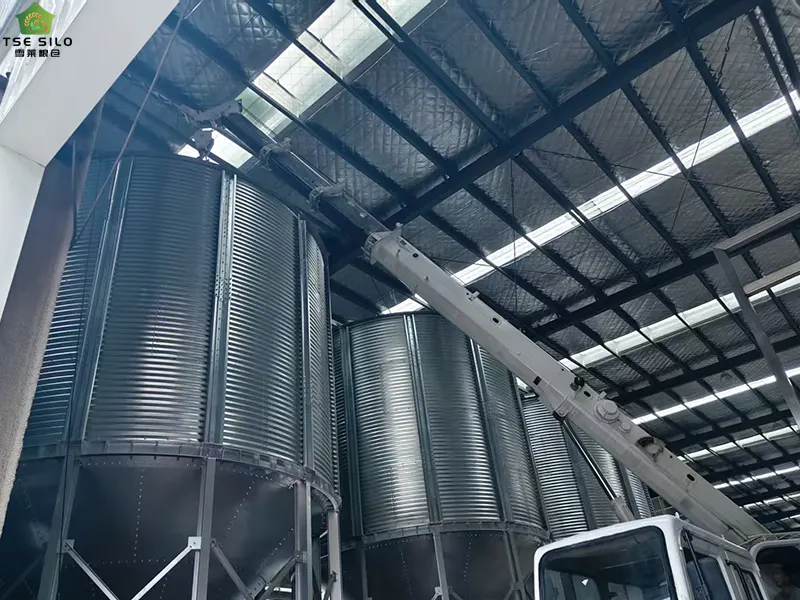
Aeration and temperature monitoring are not separate tools—they work together as an integrated system for grain quality management. Aeration provides the physical means to control temperature and moisture, while temperature monitoring provides the intelligence to know when and how to aerate.
When correctly designed and managed, aeration achieves cooler grain temperatures and uniform grain moisture conditions. Temperature monitoring systems provide real-time data on grain conditions, allowing operators to adjust ventilation and aeration systems accordingly. Together, they prevent spoilage, optimize storage conditions, reduce energy costs, and enhance data-driven decision-making.
For farmers, grain traders, and storage operators, investing in a well-designed aeration system supported by comprehensive temperature monitoring is one of the most effective ways to protect grain quality, reduce post-harvest losses, and maximize the value of stored grain. The nine functions outlined above demonstrate why aeration and temperature monitoring are not optional additions but essential components of any professional grain storage operation.
Written by
Shandong Shelley Grain Steel Silo Co., Ltd
Editor Jin
WhatsApp : +86-18653877118
Email : shelley@cnshelley.com