LANGUAGE
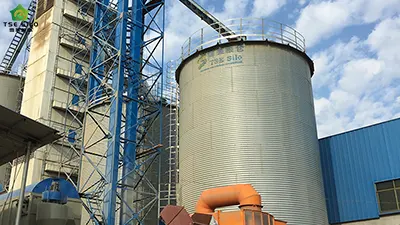
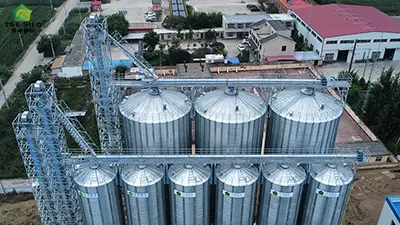
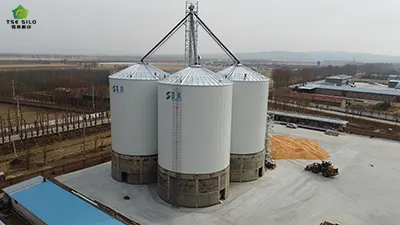
With the continuous advancement of technology, high-tech elements are increasingly being integrated into grain storage operations. Whether in the realms of intelligent temperature control, one-touch grain intake and discharge, or real-time monitoring, smart technologies are now playing a prominent role. Currently, large-scale grain steel silos as those manufactured by Shelley—are typically equipped with intelligent grain dryers. Furthermore, many owners of existing silos are looking to retrofit them with dryers but are unsure how to select the appropriate configuration. Today, Shelley Machinery—a leading manufacturer of steel silos—will outline the six key criteria to consider when selecting a grain dryer.
The Shelley grain drying system consists of seven primary components: the grain storage layer, drying layer, tempering layer, cooling layer, discharge layer, grain elevator, and hot air furnace. These seven components collectively determine the quality of the dryer and the specific drying technology employed, while also underscoring the system's core attributes: "safety, stability, and high efficiency"—with the ultimate focus remaining on effective performance.
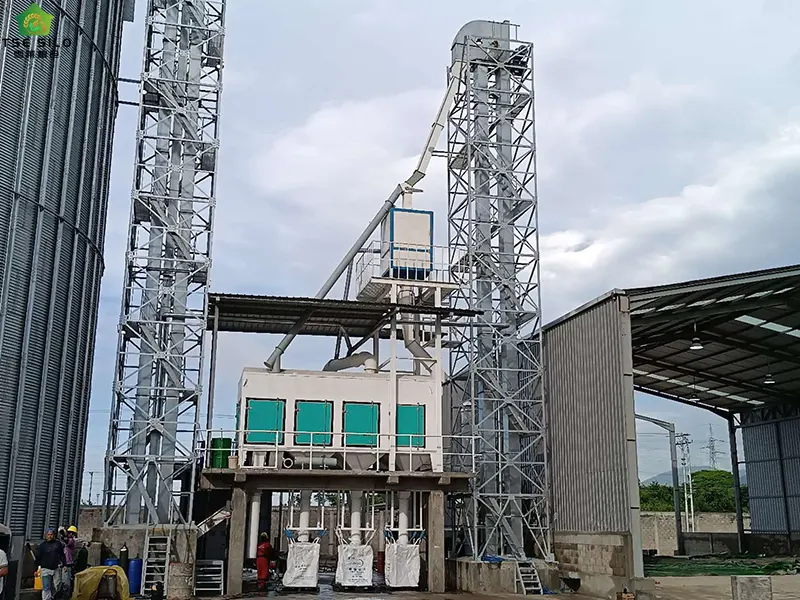
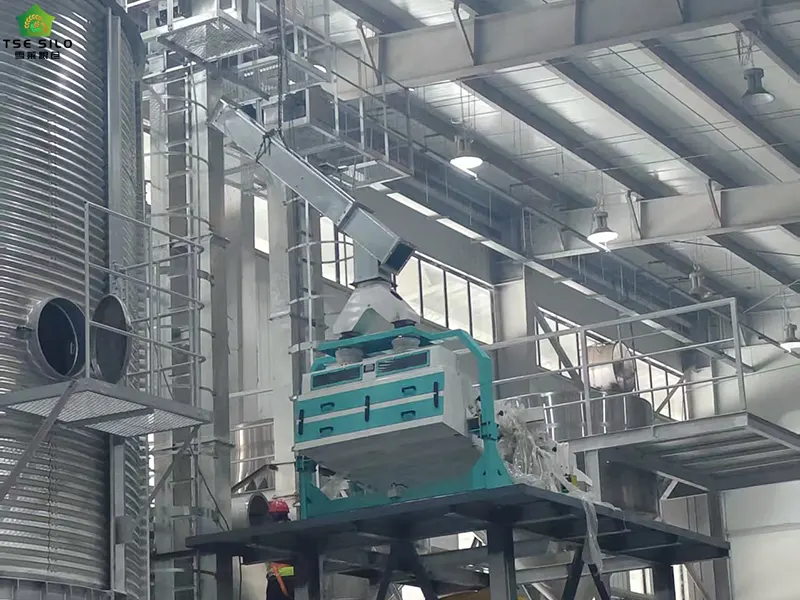
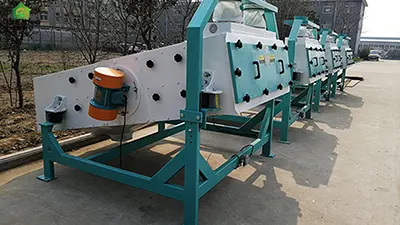
Aside from the degree of automation, the critical technical components of a grain dryer are concentrated within the drying layer. The hot air furnace supplies heated air, which flows through the drying layer to extract moisture from the grain, thereby completing a single drying cycle.
The moisture reduction range is one of the most critical indicators of a grain dryer's performance. It is primarily determined by the heat exchange method employed by the hot air furnace; typical Shelley grain silo dryers utilize a heat-exchange mechanism, wherein hot air generated by combustion within the furnace heats the grain indirectly via heat-dissipation tubes.
The price of a grain dryer depends on its level of automation, manufacturing quality, and specific configuration. Mid-range dryers typically utilize galvanized steel plates with wall thicknesses of 1.2 mm, 1.5 mm, or 2.0 mm; the mesh screens are uniformly constructed from stainless steel. Components subject to high wear—specifically the main body, large inclined plates, circulation outlet, feed branch base plate, and elevator cover—are all fabricated using stainless steel plates. The top plates are also constructed entirely from stainless steel.
| Heat Source Type | Initial Investment | Unit Energy Cost | Applicable Scenarios | Environmental Requirements |
| Coal-fired | Low | $6–7/t | Coal-producing regions, large-scale grain depots | Requires desulfurization and denitrification; emissions must meet standards |
| Gas-fired | Medium | $8–12/t | Areas with gas pipeline coverage, environmentally sensitive zones | Low emissions; easily meets standards |
| Biomass-fired | Medium | $6–9/t | Areas abundant in agricultural and forestry waste | Requires dust removal; restricted in some regions |
| Oil-fired | Medium-High | $12–15/t | Areas without pipeline infrastructure, small-scale mobile stations | Relatively low emissions |
| Air-source | High | $5–7/t (31% energy savings) | Ecological zones, subsidized projects | Zero emissions; optimal choice |
| Steel Silo Capacity | Recommended Daily Processing Volume | Recommended Model Type | Key Parameter Thresholds |
| Small (<= 500 t) | 5–50 t/d | Circulating / Mobile Box-type | Thermal efficiency >= 75%; Crushing rate <= 0.3%. |
| Medium (500–3,000 t) | 50–300 t/d | Mixed-flow / Cross-flow (Co-current/Counter-current) | Moisture reduction >= 12%; Power consumption <= 18 kWh/t. |
| Large-scale (>=3000t) | 300–1000 t/d | Continuous-flow Drying Tower | Thermal Efficiency >=80%, Coal Consumption <=32 kg/t. |
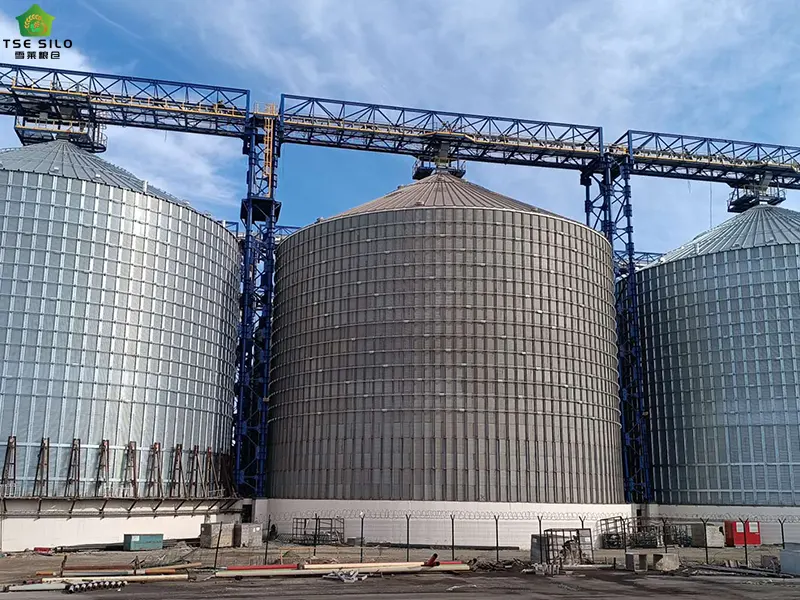
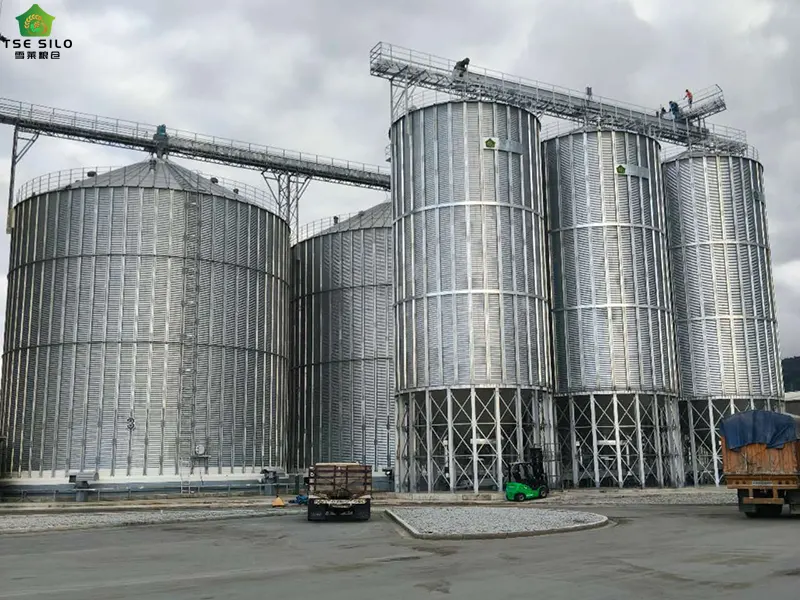
Finally, regarding the costs and expenses associated with the long-term maintenance of Shelley grain steel silos dryers: the most common maintenance task involves the timely application of grease to the bearings. Since the operating environment of a dryer is typically very dusty, dust can easily penetrate the interior of the bearings, leading to accelerated wear; therefore, the timely injection of grease is essential for extending the service life of the bearings. The rollers of the online moisture meter also require periodic cleaning. After the moisture meter has been in operation for a period of time, dust tends to accumulate on its rollers, which can compromise the accuracy of moisture measurements.
The above outlines the six key criteria for selecting a dryer to accompany a grain steel silos, as presented by Shelley Machinery—a manufacturer of steel silos. We hope this information proves helpful to you when selecting a dryer for your steel silo facility in the future. For many years, Shelley Machinery has dedicated itself to the production and R&D of steel silos; should you have any product requirements or inquiries, please do not hesitate to contact us at any time.
Written by
Shandong Shelley Grain Steel Silo Co., Ltd
Editor Jin
WhatsApp : +86-18653877118
Email : shelley@cnshelley.com