LANGUAGE
Due to the high thermal conductivity of steel, grain near the silo walls heats up rapidly under sunlight, making the grain more susceptible to pests. Grain is a poor conductor of heat; excessively high local temperatures within the silo can create "hot spots" or cause condensation, leading to mold growth. Specifically, changes in external temperature or the grain's own respiration heat can cause hot air to rise within the silo, where it cools and condenses at the top, dripping down and wetting the surface grain, causing severe mold growth. Simultaneously, uneven temperature can cause moisture to migrate from high-temperature areas to low-temperature areas, accumulating in the low-temperature zones and causing localized excessive moisture content.
In many tropical regions and during hot seasons, the rapid temperature rise of grain within steel silos makes it difficult to maintain a stable temperature, directly impacting grain quality and safety, and rendering them unsuitable for long-term storage. Therefore, effectively controlling the internal temperature and delaying grain quality deterioration has become a core issue in grain storage using steel silos.
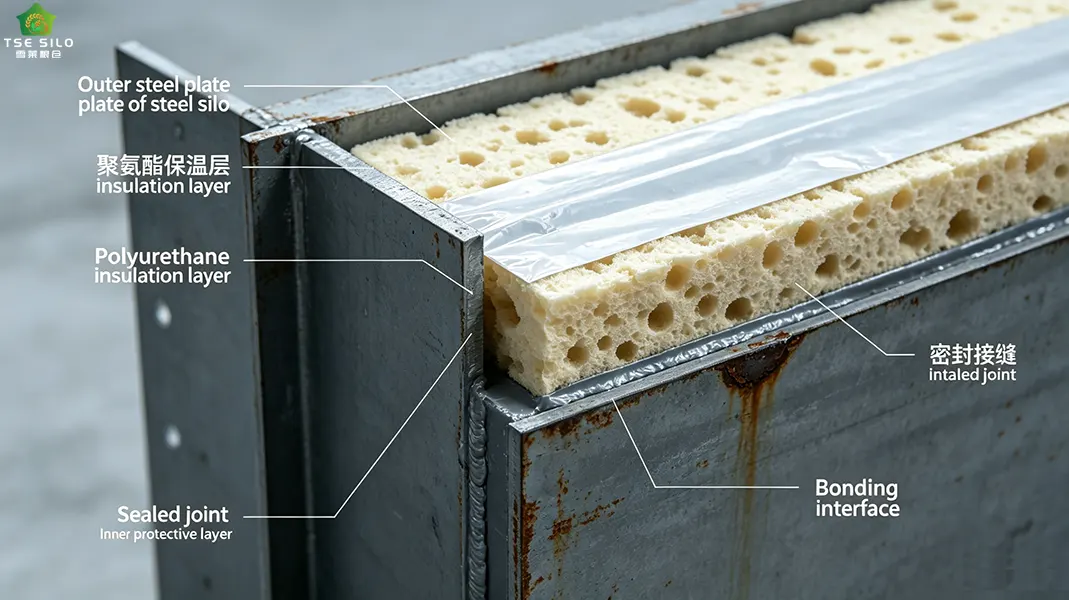
Polyurethane is currently the most widely used high-efficiency thermal insulation material in the field of steel silo insulation. Its core advantages are reflected in the following aspects:
The thermal conductivity of polyurethane is only 0.018–0.022 W/(m•K), making it one of the materials with the lowest thermal conductivity among all insulation materials. For comparison, a 5cm thick polyurethane insulation layer has the same insulation effect as approximately 1m thick concrete. This means that only a relatively thin insulation layer is needed to achieve excellent thermal insulation performance.
Polyurethane has a high closed-cell rate during foaming, resulting in excellent waterproof and moisture-proof performance. This characteristic is particularly crucial for grain storage—it can both prevent the intrusion of external moisture and prevent condensation caused by temperature differences inside the silo.
Polyurethane is a self-extinguishing material. During combustion, surface carbonization helps to prevent flame spread, achieving a fire resistance rating of GB 8624 B1.
Polyurethane can be applied on-site using spraying or prefabricated insulation panels. On-site spraying solidifies into rigid polyurethane foam, offering advantages such as convenient processing, simple equipment, and high construction efficiency.
The working principle of polyurethane insulation is to apply high-efficiency insulation material to the outer surface of the steel silo, significantly reducing heat conduction from the outside and slowing the temperature rise of the grain inside. Specific temperature control effects have been verified in several practical applications:
From a structural design perspective, the thickness of the polyurethane insulation layer can be adjusted within the range of 80-150mm depending on the regional environment. A well-designed insulation layer ensures that the temperature gradient inside the storage area is lower than the temperature gradient outside, reducing the likelihood of condensation.
Polyurethane insulation delays grain quality deterioration primarily through the following three pathways:
Low-temperature grain storage inhibits the growth of insects and mold, delaying grain aging and maintaining good grain quality. Temperature is a key factor affecting the reproduction of grain pests and microbial activity—for every certain increase in temperature, the reproduction rate of pests and the metabolic rate of microorganisms significantly accelerate. The polyurethane insulation layer effectively blocks the entry of external heat, maintaining a lower temperature inside the storage area and inhibiting the conditions for insect and mold growth at the source.
The insulation layer effectively reduces the impact of external temperature fluctuations on the grain inside the storage area, preventing condensation. Condensation is a major cause of grain mold growth—condensate dripping wets the surface of the grain, leading to widespread mold growth. The polyurethane insulation layer ensures that the temperature of the silo walls matches the internal temperature, eliminating the conditions necessary for condensation.
The design of insulated steel silos effectively prevents heat loss and temperature fluctuations. The slow temperature rise and stable grain temperature inside the silo are crucial for ensuring long-term grain storage and preventing pests and mold. Low-temperature storage increases the stability of grain storage, guarantees grain quality, and extends the safe storage time.
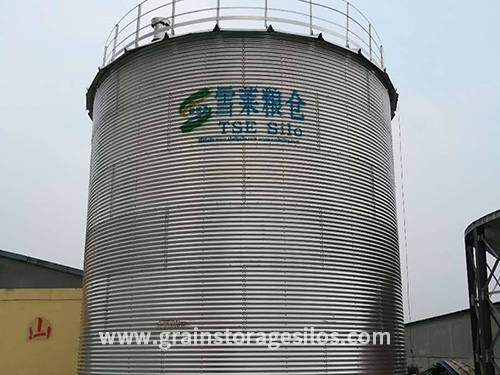
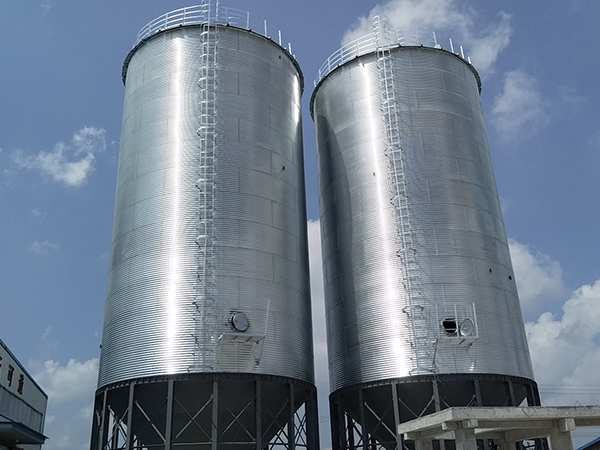
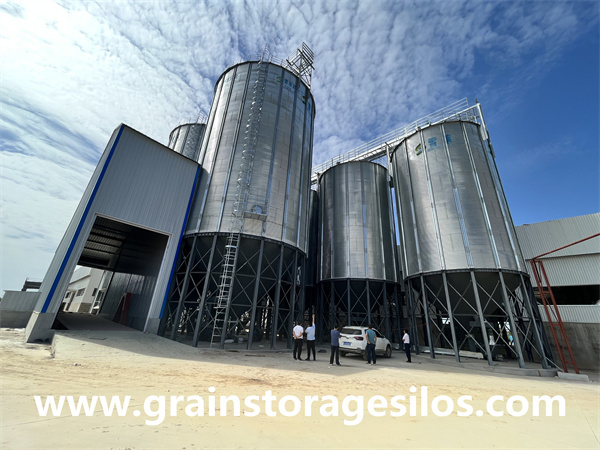
Shandong Shelley Grain Storage Intelligent Technology Co., Ltd. specializes in designing and manufacturing prefabricated insulated steel silos, and has developed a mature product system in the application of polyurethane insulation technology.
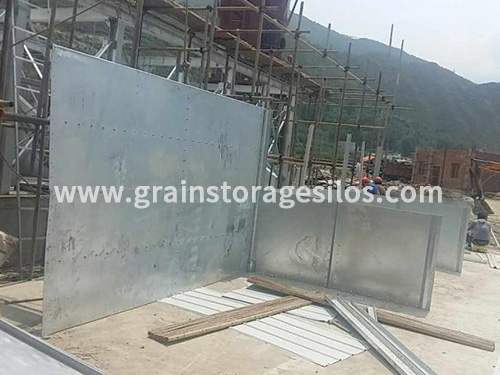
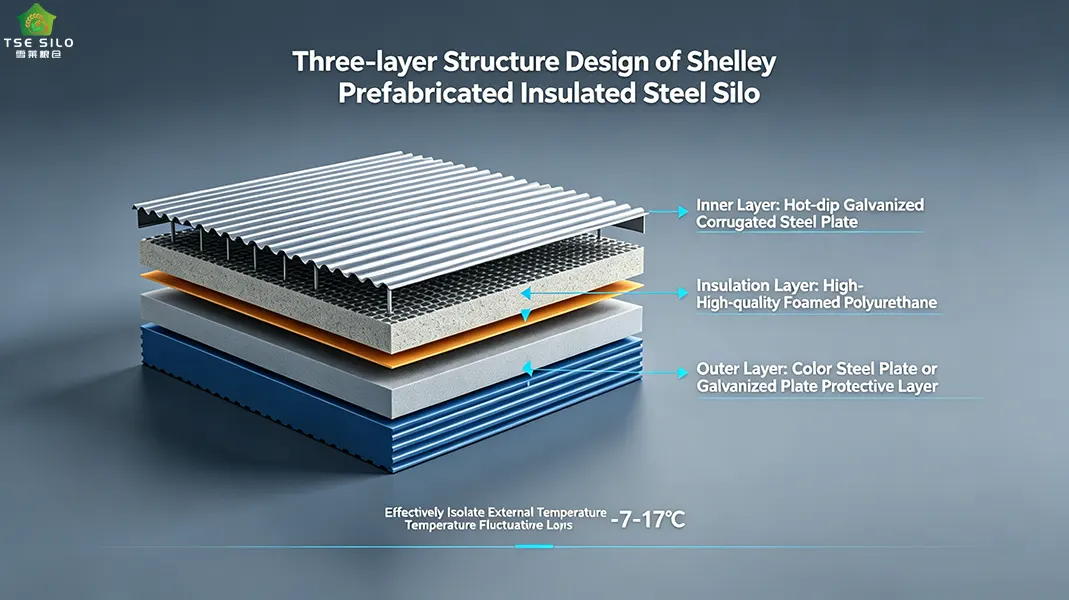
Three-Layer Structure Design: Shelley insulated steel silos consist of three layers—the inner layer is made of hot-dip galvanized corrugated steel sheet with corrugated walls and a smooth inner wall without steps or flanges for easy material discharge; the second layer is the insulation layer, using high-quality foamed polyurethane insulation material, tightly filling the space between the inner and outer steel sheets to provide excellent thermal insulation; the third layer is a protective layer of color-coated steel sheet or galvanized sheet, all treated with hot-dip galvanizing, offering high strength and strong corrosion resistance, effectively resisting wind, rain, and sun erosion.
Strict Airtightness: The five-layer spiral rolled edge seam is extremely tight, providing excellent airtightness and effectively preventing stored materials from becoming damp and deteriorating. Combined with sealing measures such as aviation-grade waterproof sealant strips, the overall airtightness of the silo is further enhanced.
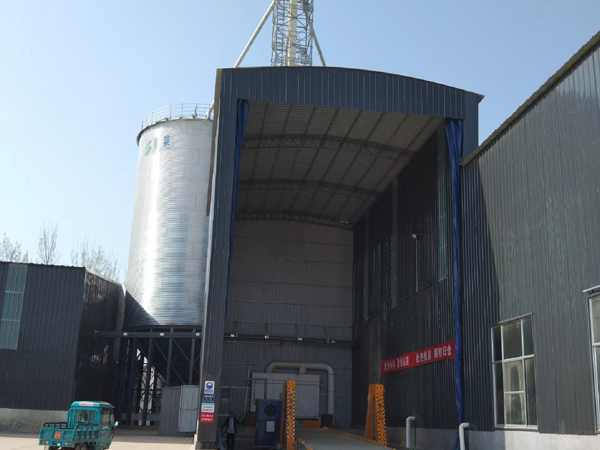
Wide Range of Applications: Shelley insulated steel silos are widely used in areas with large diurnal temperature variations, humid environments such as coastal areas, and locations with cold weather year-round that affect seed vigor. Our products have been exported to over 70 countries and regions, serving the long-term storage of staple grains such as wheat, corn, and soybeans, effectively solving the problems of moisture and mold growth in traditional storage facilities. With the addition of air coolers or refrigeration air conditioners, even in hot environments, ambient temperature storage or even low-temperature storage can be achieved.
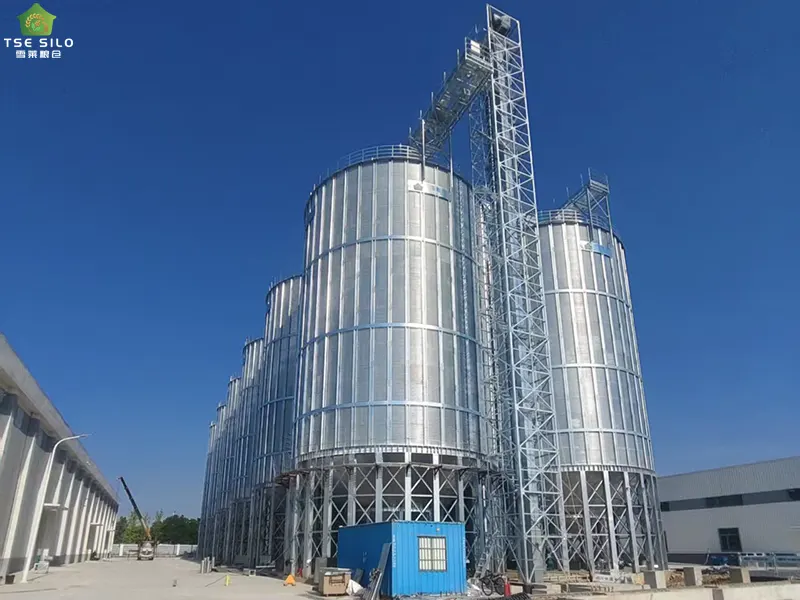
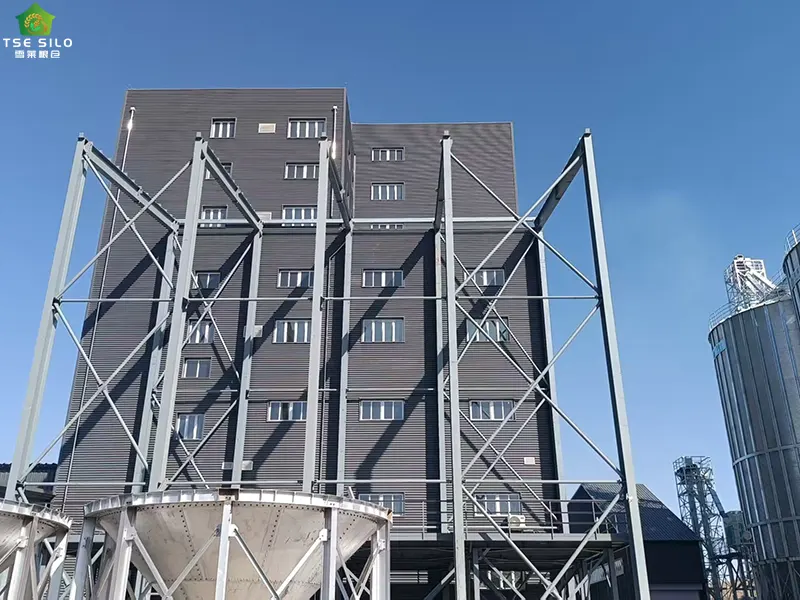
Polyurethane insulation technology, with its extremely low thermal conductivity, excellent waterproof and moisture-proof performance, and convenient construction process, has become the core means of temperature control for grain storage in large steel silos. Practical application data shows that the polyurethane insulation layer can effectively reduce the silo temperature by 2-3°C or more, significantly slowing down the rate of grain temperature rise, inhibiting insect and mold growth, and preventing condensation and mold growth, thereby effectively delaying grain quality deterioration and extending the safe storage period.
Shelley prefabricated insulated steel silos, through their three-layer structural design, rigorous airtightness, and flexible insulation layer thickness adjustment, transform polyurethane insulation technology into a practical and reliable grain storage solution, providing strong protection for the long-term safe storage of grain.
Written by
Shandong Shelley Grain Steel Silo Co., Ltd
Editor Jin
WhatsApp : +86-18653877118
Email : shelley@cnshelley.com